-
How to Pair Bordeaux Wine
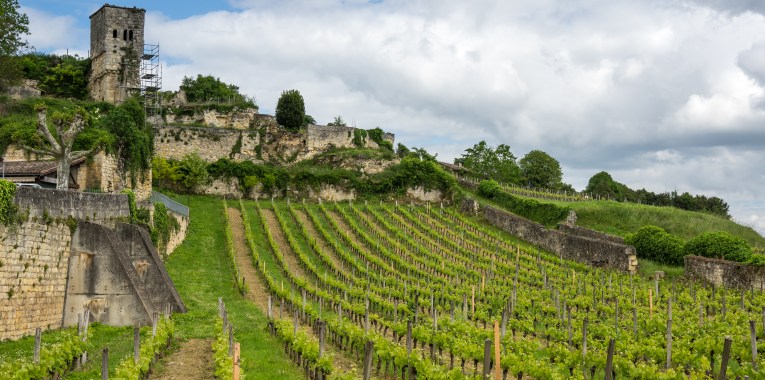
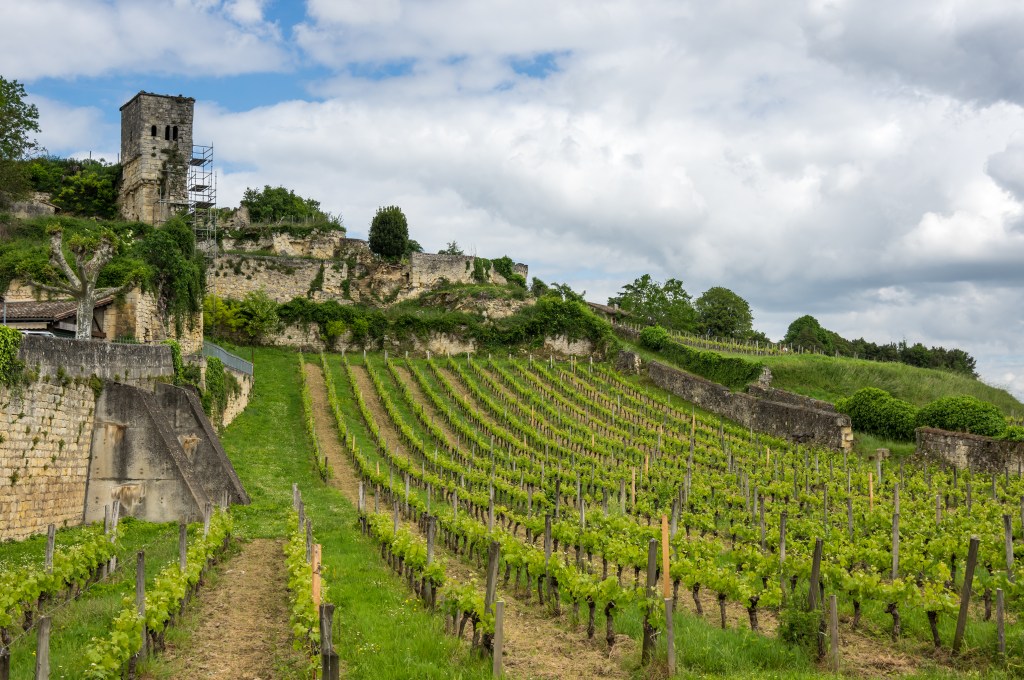
Image Credit: https://www.shutterstock.com/image-photo/vineyards-saintemilion-one-main-red-wine-404754130 Are you ready for a delicious journey to the world-renowned wine region of Bordeaux, where centuries of tradition and innovation blend in every bottle?
But wait, there’s more! We’re not only going to explore the different types of Bordeaux wine but also discover the magic of pairing them with the right food to unlock their full potential.
After all, wine is not just a drink; it’s a sensory experience that engages our taste buds, sense of smell, and memories.
The Different Types of Bordeaux Wine
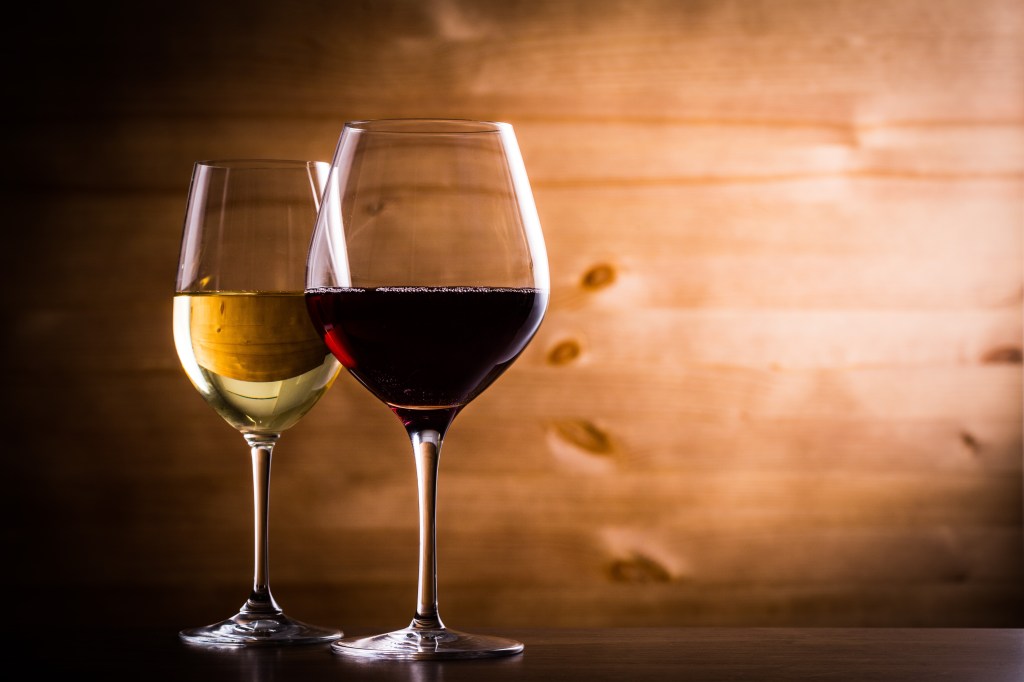
Image Credit: https://www.shutterstock.com/image-photo/wine-635373836 Bordeaux region is famous for two main categories: red and white.
Red Bordeaux
Red Bordeaux wine is the most famous and comes to mind first. It’s usually full-bodied and tannic and has notes of black fruit and earthy aromas. The primary red Bordeaux grape varieties are Cabernet Sauvignon, Merlot, Malbec Petit Verdot, and Cabernet Franc.
White Bordeaux
White Bordeaux wine is a delightful surprise that many people overlook. It’s usually light-bodied and crisp and has citrus, green apple, and mineral notes. The primary grape varieties for white Bordeaux wine are Sauvignon Blanc, Muscadelle, and Semillon.
Food Pairings for Red Bordeaux Wines
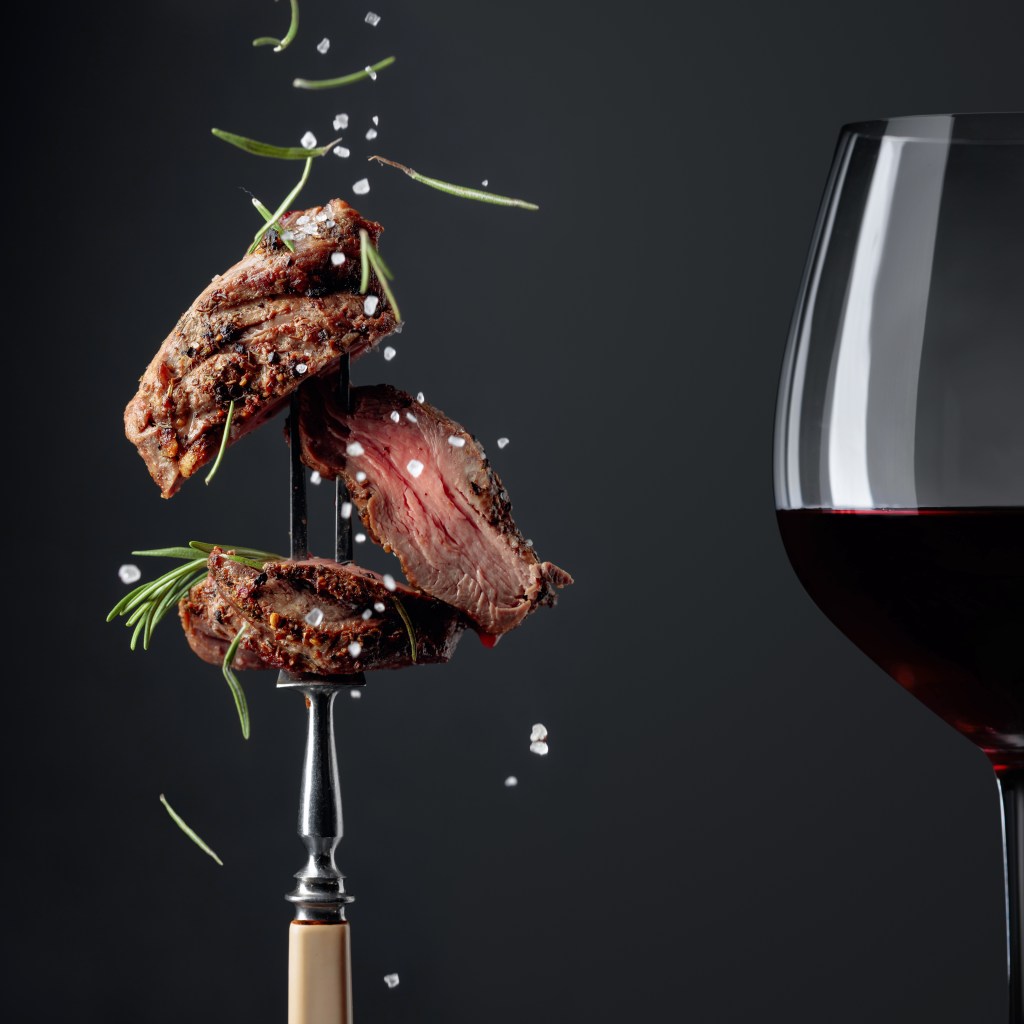
Image Credit: https://www.shutterstock.com/image-photo/grilled-ribeye-beef-steak-rosemary-red-1528752221 Red Bordeaux wine is the perfect companion for a hearty meal that can stand up to its boldness.
- Red meat: Steak, lamb, and venison dishes are a natural match. The protein and fat in the beef soften the tannins in the wine and enhance its fruity notes.
- Roasted vegetables: Mushrooms, eggplant, and bell peppers also complement red Bordeaux wine, as their earthy flavors and textures echo those of the wine.
- Hearty stews: Beef bourguignon or coq au vin, which simmer for hours in wine and broth, are also great matches. They make a cozy and satisfying meal that begs for a glass of red Bordeaux wine by the fire.
- International cuisine: Red Bordeaux pairs well with spicy dishes like Indian or Mexican cuisine, as the wine’s tannins and fruitiness balance the spice and heat.
- Rich sauces: It also works well with creamy sauces like Alfredo or béarnaise, as they soften the wine’s tannins and bring out its fruity notes.
Food Pairings for White Bordeaux Wines
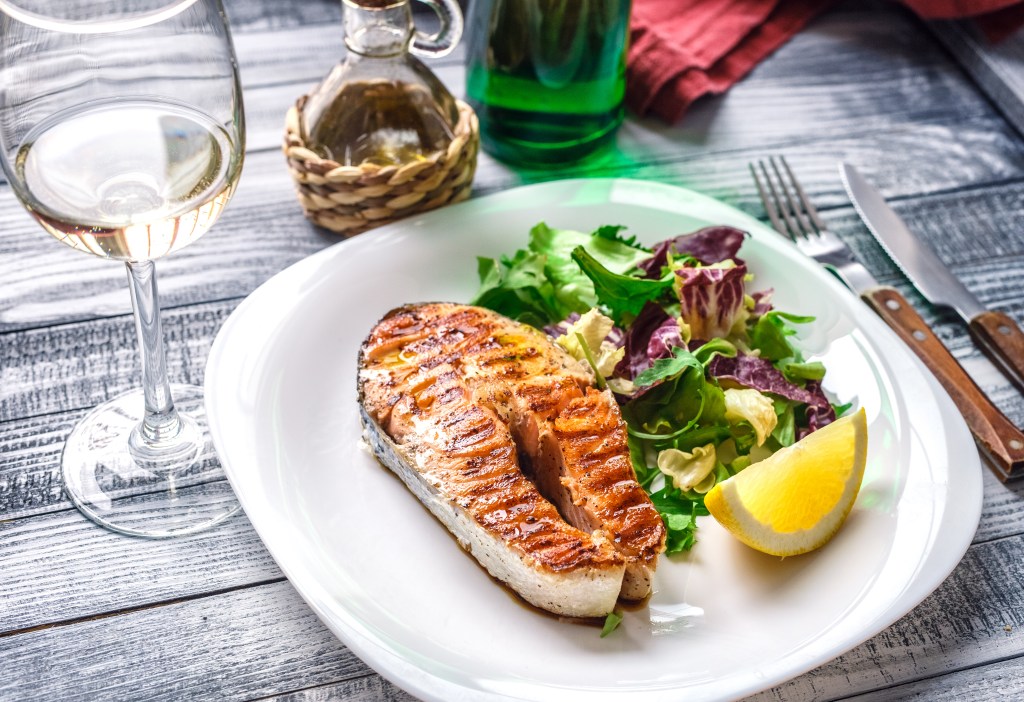
Image Credit: https://www.shutterstock.com/image-photo/lovely-fish-steak-salad-lemon-white-599152976 Let’s switch gears to the refreshing and crisp white Bordeaux wine. Its light-bodied profile makes it the perfect wine for a sunny day or a light meal.
- Seafood: Ocean-inspired meals are a great choice, especially oysters and shellfish, with a briny and delicate flavor that complements the wine’s crisp acidity.
- White meat: Chicken is also a great match, as it doesn’t overpower the wine’s subtle notes and provides a light protein source.
- Salads: Let’s not forget salads, especially with a tangy vinaigrette dressing that enhances the wine’s citrus notes and adds a refreshing crunch.
- Cheese: It also works well with cheese, especially goat cheese or creamy brie, as the acidity of the wine cuts through richness well.
Raise a Glass to Bordeaux Wine’s Versatility and Deliciousness
Bordeaux wine is a wine lover’s dream come true. With its rich history and diverse flavor profile, there’s something for everyone to enjoy. Red Bordeaux wine is perfect for a cozy night with a hearty meal, while white Bordeaux is perfect for a sunny day or a light meal.
Whether you prefer a bold, tannic red or a crisp and refreshing white, Bordeaux wine will surely delight your taste buds.
-
A Guide to Wine Tasting
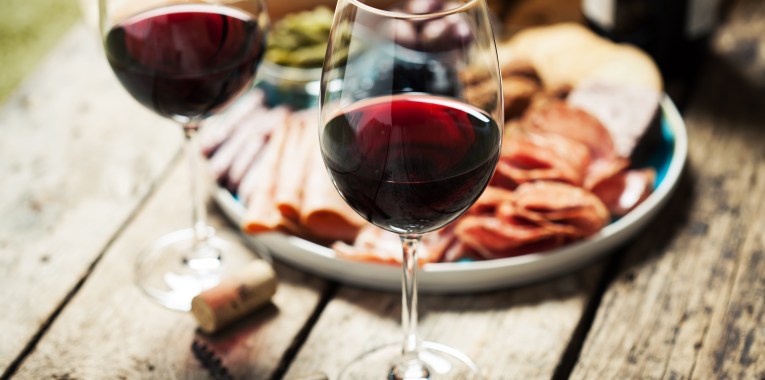

Image Credit: Shutterstock/https://www.shutterstock.com/g/stockfour Is there anything more satisfying than a good glass of wine? Whether celebrating with friends or unwinding after a long day, wine brings people together and elevates the moment.
This blog post will dive into wine tasting and explore the different tasting notes that make each bottle unique. So, grab a glass, and let’s get sipping.
How to Taste Wine: 4 Easy Steps
First, let’s go through the four steps of wine tasting to help you become a wine-tasting pro.
#1 – Sight
First up, we have sight. This step involves using your eyes to take in the wine’s appearance. Hold your glass up to the light and look closely at the wine’s color and clarity. Is it a deep ruby red or a pale golden yellow? Can you see any bubbles or sediment?
#2 – Smell
Next, it’s time to use your nose in the second step: smell. Take a few deep sniffs of the wine and try to identify any aromas that come to mind. Is it fruity or floral? Spicy or earthy?
#3 – Taste
Once you’ve taken in the wine’s aroma, it’s time for the third step: taste. Take a small sip and let the wine sit on your tongue for a few seconds before swallowing. Pay attention to the flavors – sweet, dry, full-bodied, or light?
#4 – Finish
Finally, we have the fourth step: finish. This step is about noticing the aftertaste in your mouth after you’ve swallowed. Is it short and crisp, or long and smooth?
By following these four steps, you’ll be able to fully explore the unique taste and character of each wine you try.
Wine Tasting Notes: What Are They?
Ah, the tasting notes. These are the flavors and aromas that make each wine unique and exciting. Five common tasting notes to look for are fruity, floral, spicy, earthy, and woody.
- Fruity wines contain flavors like berries, citrus, and tropical fruits. Think a juicy Pinot Noir or a crisp Sauvignon Blanc.
- Floral wines have a delicate, floral aroma, like roses or jasmine. White wines like Riesling and Gewürztraminer typically contain floral tasting notes.
- Spicy wines have a warm, peppery flavor like a bold Shiraz or Zinfandel.
- Earthy wines have a taste that’s reminiscent of soil, mushrooms, or truffles, like a rustic Pinotage or a smooth Tempranillo.
- Woody wines have a flavor influenced by the wood they were aged, like a rich Cabernet Sauvignon or a smoky Chardonnay.
Tips for Identifying Wine Notes
Identifying tasting notes may seem daunting initially, but with some practice and know-how, you can pick out the unique flavors and aromas in each wine you try.
One tip is to focus on one tasting note at a time rather than trying to identify all of them at once. For example, start by focusing on the fruity notes, and try to pick out specific flavors like blackberry or peach.
Another tip is to pay attention to the wine’s acidity and tannins – these can influence the flavors and give clues about the wine’s characteristics.
To train your palate, try sampling a variety of foods with different flavors and textures, like cheeses, fruits, and nuts. Training your palate will help you develop a more nuanced sense of taste and smell.
The Final Sip
Well, my wine-loving friends, that brings us to the end of this wine-tasting journey. Whether you’re a seasoned wine connoisseur or a curious beginner, there’s always something new to discover in the world of wine.
So, grab a bottle of your favorite wine, gather some friends, and put your new skills to the test. Cheers!
-
Banana Pudding
-
Wine Pairing 101
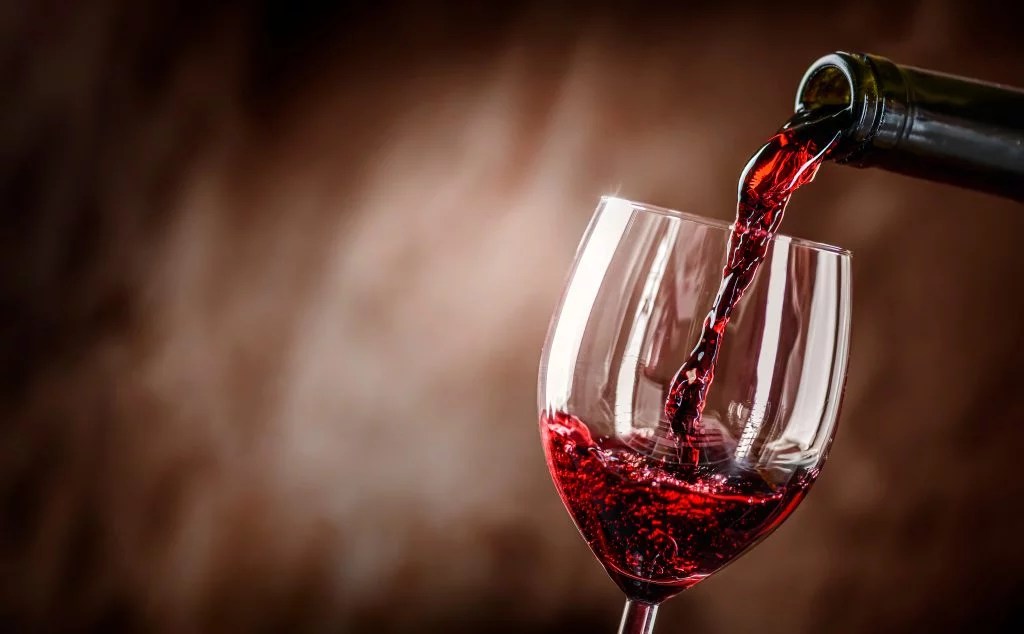
Have you ever sat down to a delicious meal, excited to enjoy your favorite bottle of vino, only to realize that the flavors clash horribly with your dish? Well, fear not, my friend, because the art of wine pairing is here to save the day.
Pairing wine with food can be tricky, but when done right, it can take your dining experience to the next level.
In this article, we will briefly dive into choosing the right wine for the right dish, exploring strategies and tips to ensure your next meal is a true delight for your taste buds.
How to Pair Wine with Food
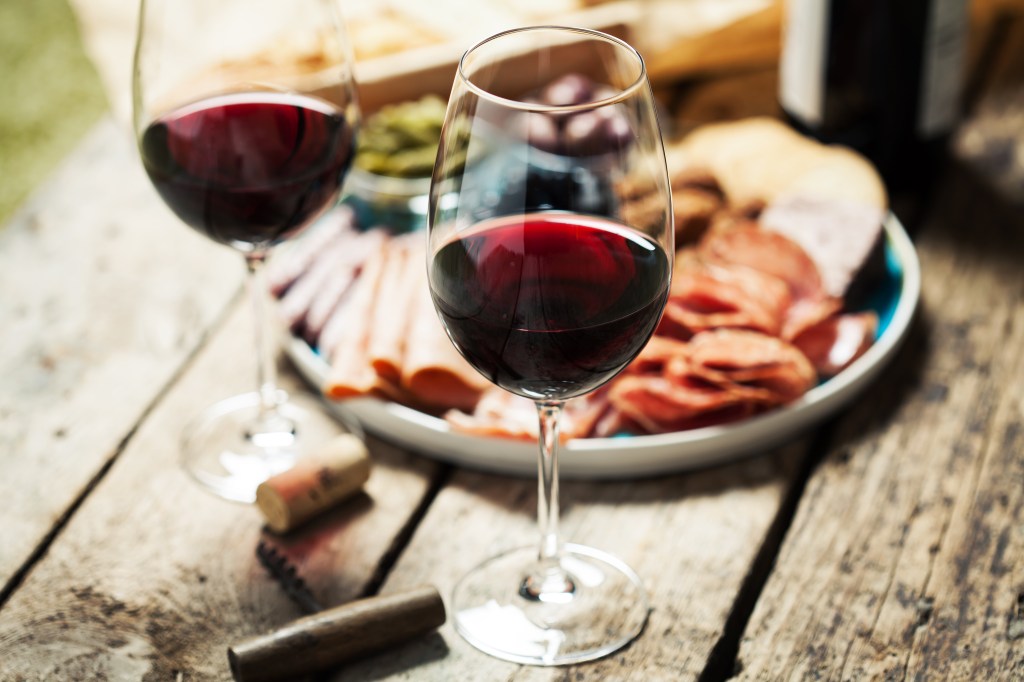
Image Credit: Shutterstock/https://www.shutterstock.com/g/nschatzi When pairing wine with food, you must remember a few fundamental principles.
First up, we have matching or contrasting flavors. Matching flavors means pairing wine with similar tastes to the dish, while contrasting flavors means pairing wine with flavors that complement or contrast the plate. For example, a bold red wine pairs well with a juicy steak because the flavors complement each other, while a crisp white wine contrasts with the creaminess of a cheese plate.
Another essential factor to consider is the weight and intensity of both the wine and the food. A light-bodied wine should be paired with lighter dishes, while full-bodied wines can hold up to heartier, more intense flavors. A general rule of thumb is that the wine’s weight should match the dish’s weight.
And let’s remember to pair wine with specific types of food. For red meat, a bold red wine like Cabernet Sauvignon or Syrah is a classic pairing, while seafood and white wine are a match made in heaven. And when it comes to cheese, the possibilities are endless, but a good rule of thumb is to pair creamy cheeses with lighter wines and aged cheeses with bolder wines.
3 Wine Strategies to Elevate Any Meal
Ready to take your wine pairing game to the next level? Let’s explore some different pairing strategies that go beyond the basics.
#1 – Regional Pairing
First up, we have regional pairing. This strategy involves pairing wine and food from the same region. For example, a dish from Italy could be paired with a Chianti wine from Tuscany. This strategy is a great way to enhance the overall experience by immersing yourself in the flavors and culture of a specific region.
#2 – Flavor Pairing
Flavor pairing is another, perhaps obvious, strategy that involves pairing wine with food with similar or complementary flavors (a sweet wine pairs well with a dessert, for example). This strategy can create a harmonious balance of flavors that will leave your taste buds happy.
#3 – Textural Pairing
Lastly, we have textural pairing. This strategy involves pairing wine with food with similar or complementary textures. For example, a creamy dish pairs well with a buttery Chardonnay, as both have a rich and velvety texture.
More Tips for Successful Wine Pairing
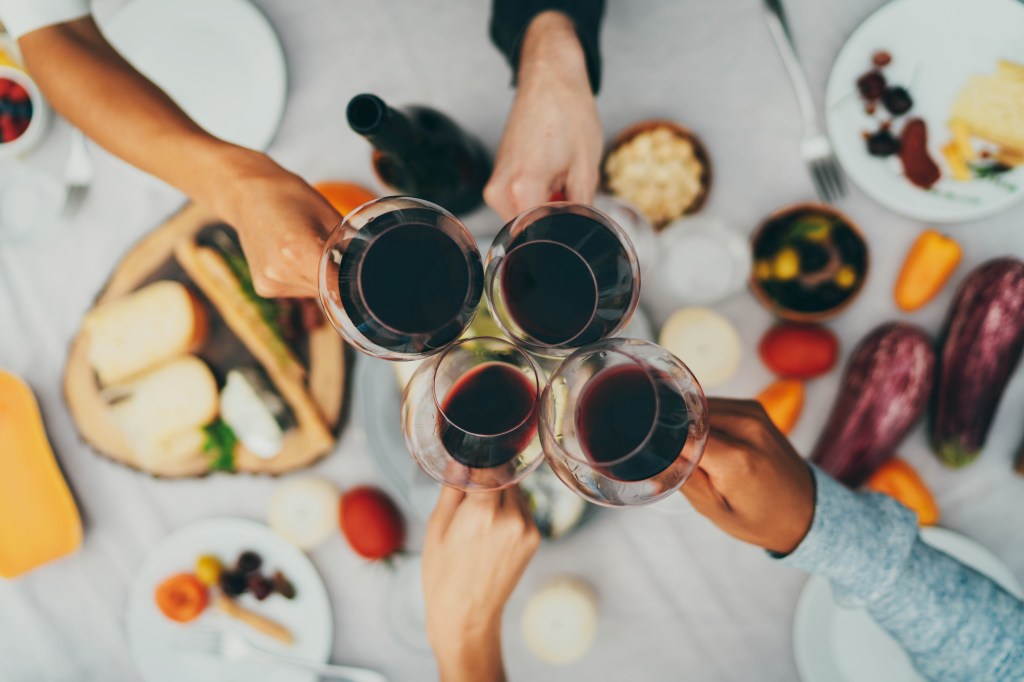
We’ve covered the basics and explored different pairing strategies, but how else do you ensure a success?
Here are some additional tips to keep in mind:
- Experiment and try new things. Wine pairing is a fun and creative process, so don’t be afraid to step out of your comfort zone and try new combinations.
- Consider the occasion and the audience. Are you hosting a fancy dinner party or enjoying a casual meal with friends? Different events may call for different pairings, so consider that when choosing.
- Remember personal preference. If you’re not a fan of a particular type of wine, don’t force yourself to drink it just because it’s a “classic” pairing.
Remember to have fun, be creative, and, most importantly, enjoy the delicious flavors of wine and food together.
Find Your Perfect Vino Match Today
Selecting the best wine can seem daunting initially, but with a few basic principles and some fun strategies, you can elevate any meal to a new level of deliciousness. The perfect pairing can enhance the flavors of your dish, making every bite (and sip) a heavenly match made in culinary heaven.
Grab a bottle of your favorite wine, whip up a tasty dish, and experiment with different pairings to find your perfect match. Cheers to the endless possibilities of wine and food pairing!
-
The Busker Irish Whiskey
Royal Oak Distillery is producing some phenomenal Irish Whiskey in Single Malt, Single Grain, and Single Pot Still traditions, all under one roof.
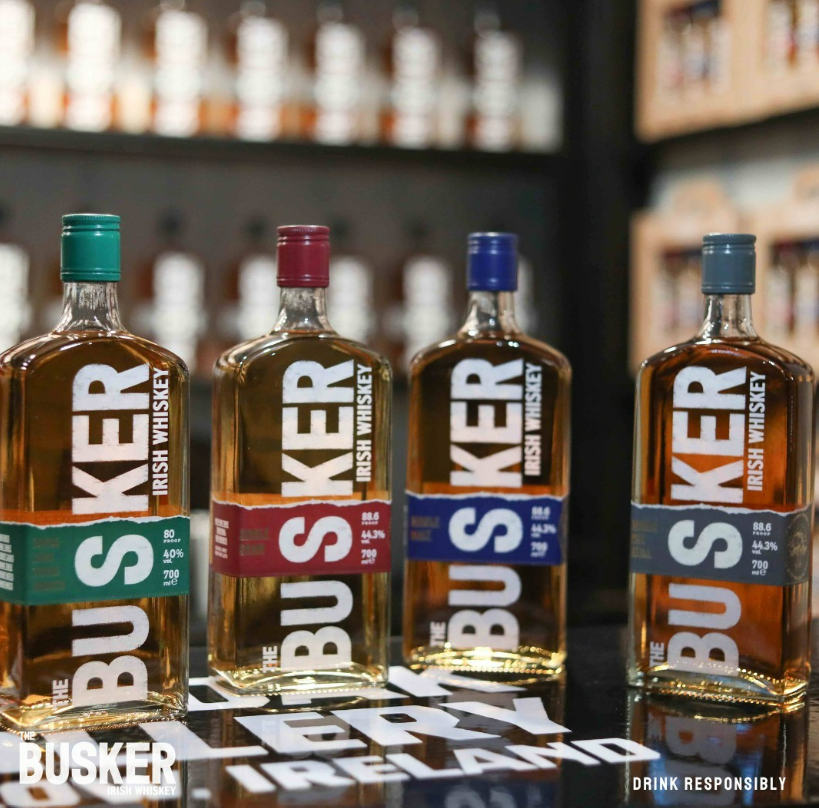
Image Credit: https://www.instagram.com/p/Cqa3P7LMA0n/ Busker Irish Whiskey is a premium whiskey brand quickly gaining popularity among whiskey enthusiasts worldwide. The brand is known for its distinctive taste and unique approach to whiskey-making, which incorporates traditional Irish distilling techniques with innovative new methods.
The finest ingredients and a unique process
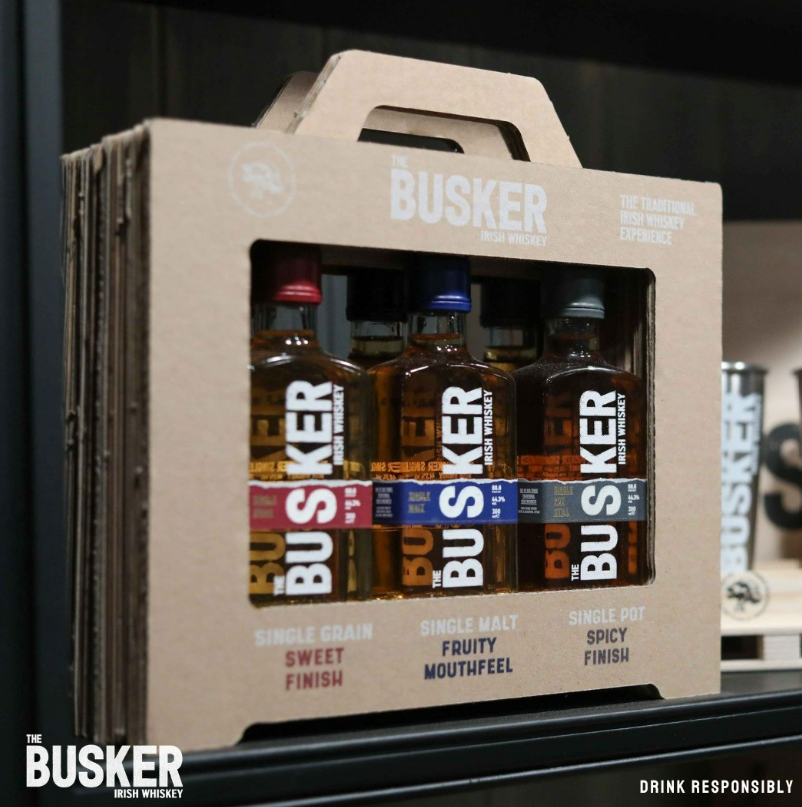
Image Credit: https://www.instagram.com/p/CmE7apuggNB/ One of the key aspects that set The Busker Irish Whiskey apart is its commitment to using only the finest ingredients in its distilling process. The brand uses 100% malted barley in its single malt expression, which gives it a rich, complex flavor profile that is characteristic of the best Irish whiskeys. Additionally, Busker Irish Whiskey is triple-distilled in copper pot stills, which helps to enhance its flavor further and gives it a smooth, refined finish.
They also use different types of casks in the aging process. The whiskey is initially matured in ex-bourbon barrels, which gives it a sweet, vanilla-like flavor. It is then finished in sherry or Marsala casks, which add a spicy, woody note to the final product. This combination of casks helps to create a whiskey that is both complex and well-balanced.
The Busker Irish Whiskey Single Malt
One of the standout products in the Busker Irish Whiskey lineup is the Single Malt expression. This whiskey is aged in a combination of ex-bourbon and ex-sherry casks. The result is a rich, full-bodied whiskey that is bursting with flavor. I had the privilege of enjoying this whiskey and here’s what I found: The nose is dominated by notes of vanilla, honey, and dried fruit, while the palate is full of apple, citrus, banana, and a hint of spice. The finish is long and warming, with a subtle smokiness that lingers on the tongue.
The Busker Irish Whiskey Single Grain
Next, I tasted the single grain. This whiskey is aged in hand-selected Bourbon casks from the USA and rare Marsala casks from one of the oldest Sicilian wineries – Cantine Florio 1833. If you think casks don’t make a difference, think again. The color of this Irish whiskey is a beautiful light straw. On the nose as well as on the palate, you’ll find notes of caramel, vanilla, and oak. The finish is sweet and lasts for quite a while, which is a lovely bonus.
The Busker Irish Whiskey Single Pot Still
Last, I sipped the single pot still expression, which is made traditionally with barley and then finished in ex-sherry and ex-bourbon casks. This one is my favorite because I like a good kick of spice. In the single pot still, you’ll smell and taste cinnamon, pepper, cloves, toffee, honey, oak, and fudge. It’s quite complex and may surprise you as an Irish whiskey.
Irish whiskey is making a name for itself lately, after hiding in the shadows during the bourbon boom. Whiskey fans want something new, and I’d say The Busker Irish Whiskey is a great place to start.
-
Empress Lavender Lemonade
-
The Empress Martini
-
The Macallan at Sotheby’s
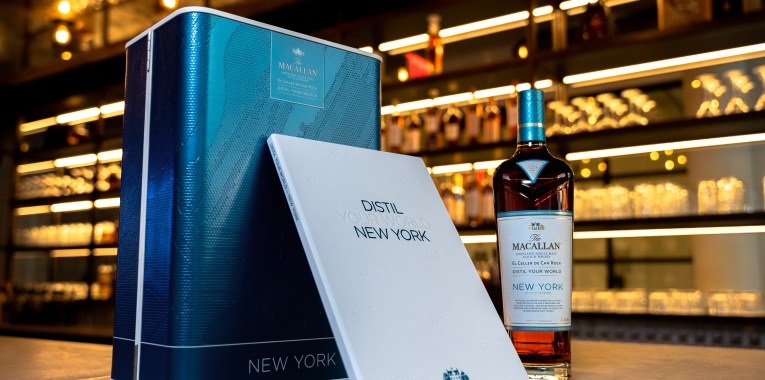
The highly respected Macallan brings impressive results at the Whisky & Whiskey auction.
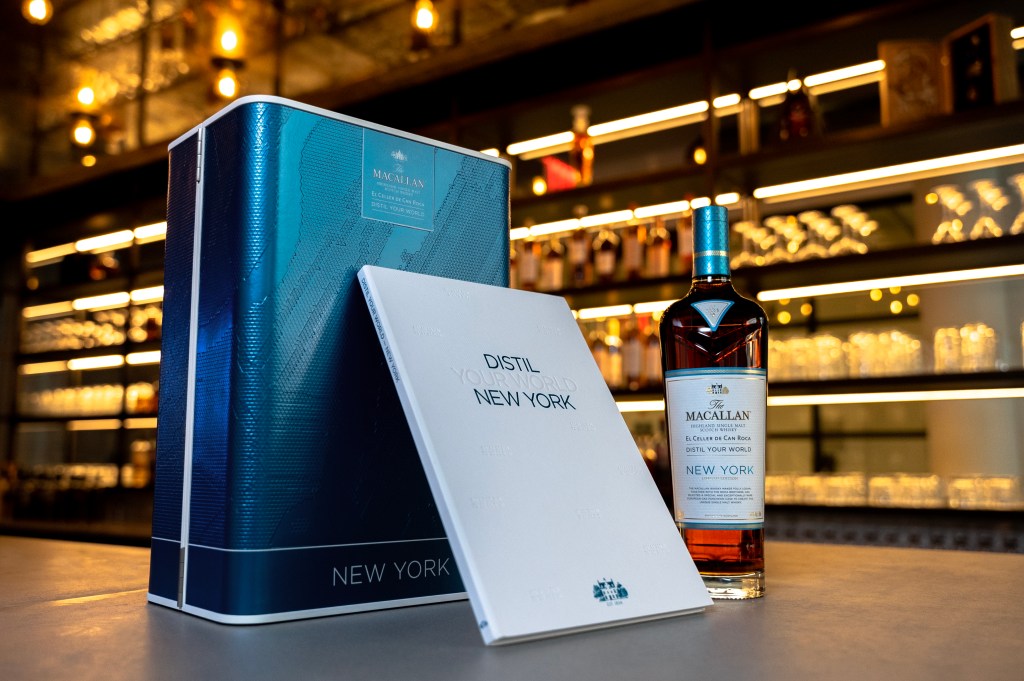
What began in a humble wooden shed with only two stills in 1824 is now a world-renowned single-malt whisky. The Macallan is one of the most respected names in Scotch whisky, known primarily for its creativity and innovation, such as sherried seasoned oak casks.
Macallan is well respected for many reasons. It’s been distilled for nearly 200 years, is highly endorsed by the one and only James Bond as well as the House of Commons (The Macallan is the official Scotch), and, more importantly, The Macallan sets the precedence for how Scotch should taste. Unsurprisingly, it’s turned heads at auctions in the past and sold for jaw-dropping amounts. Earlier this year, a limited-edition Macallan did just that for a good cause.
Proceeds for charity from The Macallan Distill Your World New York
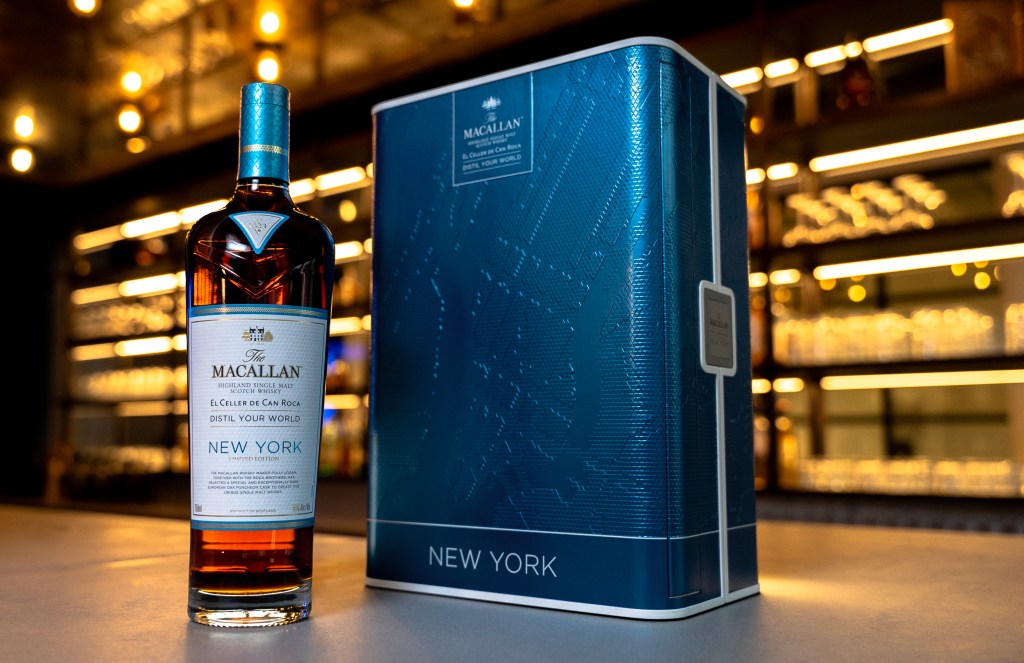
This year, on February 10th, Sotheby’s of New York held its first whisky & whiskey online sale of the year and the highlight of the event was a specialty lot comprising of an exclusive, limited-edition version of The Macallan’s recent release, “Distil Your World New York.” One bottle was auctioned, and the other is now kept in The Macallan archive, making the Macallan Distil Your World New York label extremely rare. The limited-edition Macallan achieved $250,000, with proceeds going toward ChaShaMa.
ChaShaMa is a non-profit organization based in New York City, created to help and serve artists. They do so by searching for unused real estate and flipping it into artistic spaces where artists can create and display their work. Thanks to Sotheby’s online auction and the sale of the limited-edition Macallan, the arts, underserved communities, and small businesses in New York City are benefiting.
The Macallan has a long-standing relationship with Sotheby’s and is known for supplying auctions with rare editions for charitable causes. Geoff Kirk, Channel Director Secondary Market at The Macallan, says, “We are delighted to continue our long association of partnering with Sotheby’s to present very special releases that raise funds for charitable organizations around the world. The Macallan has a longstanding history celebrating artistry and supporting the arts and we are proud that the funds from this very special release, which pays homage to one of the world’s most iconic cities, will benefit New York City artists through the ChaShaMa charity.”
Setting the standard

Image Credit: https://www.instagram.com/p/CY_xJNjDm0I/ The Macallan is more than a whisky. Its deep roots and unwavering passion for perfection and innovation set the standard for the entire industry. They not only produce some of the world’s greatest Scotch, but The Macallan team uses their success and skills to make the world a better place.
If you ever get the opportunity to visit The Macallan Estate in Speyside, Scotland, please take it. The sprawling 485-acre estate is stunning, sharing the scenery of the Speyside region, and inside the distillery is just as impressive. The Macallan Estate offers wonderful experiences that you may book ahead of time. -
Banana Bread
-
Empress 75
-
Subscribe
Subscribed
Have a WordPress.com account? Log in now.

