Champagne Telmont Debuts a New Bottle That Mother Nature Is Sure to Appreciate

30 % of Champagne’s carbon footprint stems from bottle manufacturing. Champagne Telmont decided to change that number by creating a glass bottle that weighs 800 grams (1.76 pounds) rather than the traditional standard of 835 grams.
How it Began

In 1911, during the Champagne riots in France, visionary Henri Lhopital composed a song, “Gloire au Champagne,” to encourage winemakers in the Champagne region to continue upholding the high standards of Champagne, no matter the riot outcomes.

Henri’s passion for those high standards led him to create his own label and champagne house in 1912. Today, after generations of care, Champagne Telmont (named in 1947) continues to produce the highest-quality Champagne. It earned its first organic certification in 2017 and plans to become 100% certified organic by 2031.

A Devotion to the Earth

As I dug into the story of this lovely brand, I found their passion for a clean earth and high-quality champagne to be contagious. Here are a few other amazing things the Telmont Estate vineyards are doing to maintain high standards and improve the carbon footprint:

  • No gift boxes — just a beautiful bottle
  • No transparent bottles. The dark green bottle you receive is made from 85% recycled glass.
  • The electricity used at the vineyard is 100% from renewable sources.
  • Bottles shipped to the United States take a trip on wind-powered Neoline ships rather than air transportation.

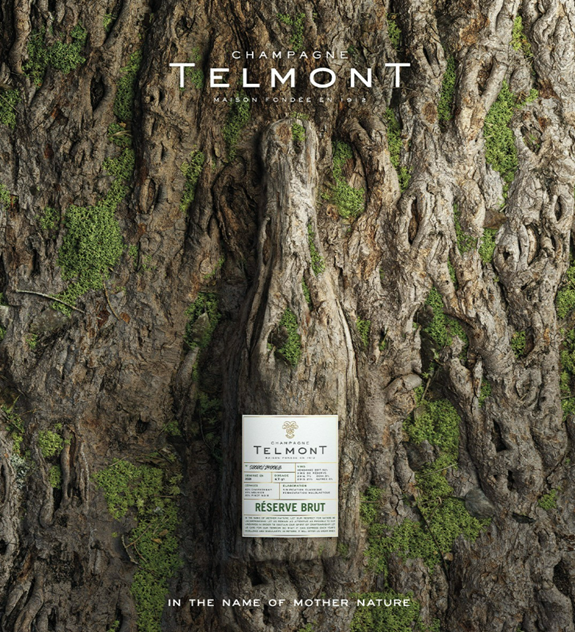
Champagne Telmont’s Réserve Brut

“Creativity and innovation must go hand in hand with responsibility. By adopting this ultra-lightweight bottle, we aim to redefine industry standards and contribute to a more sustainable future for Champagne, says Ludovic du Plessis, President of Champagne Telmont. We aim with this new bottle to set a new standard for Champagne, in the name of Mother Nature.”

Champagne Telmont Réserve brut debuts as a uniquely lightweight bottle, reducing carbon emissions by 4%. Beyond the lighter weight bottle, you’ll notice a lovely blend of three grapes that create a rich and fruity champagne.

The awards Champagne Telmont’s Réserve Brut has won are too many to mention. You can purchase a bottle for your collection at ReserveBar.com.

Changing the Industry One Bottle at a Time

Though Champagne Telmont currently offers one type of champagne in an 800-gram bottle, the goal is to have all its wines bottled in lighter-weight bottles in 2025 and beyond.

The ultimate goal, however, is that the entire wine industry will catch on and begin creating lighter-weight bottles as well. In doing so, 8,000 tons of CO2 emissions would be eliminated annually.
Two glasses of red wine with food

Wine Pairing 101

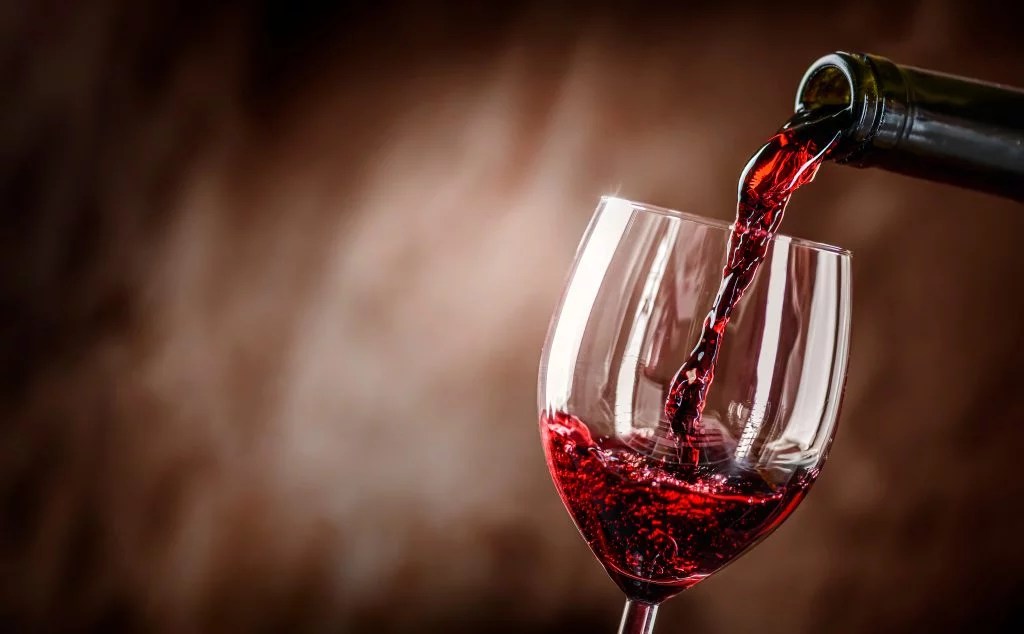
pouring red win into glass

Have you ever sat down to a delicious meal, excited to enjoy your favorite bottle of vino, only to realize that the flavors clash horribly with your dish? Well, fear not, my friend, because the art of wine pairing is here to save the day.

Pairing wine with food can be tricky, but when done right, it can take your dining experience to the next level.

In this article, we will briefly dive into choosing the right wine for the right dish, exploring strategies and tips to ensure your next meal is a true delight for your taste buds.

How to Pair Wine with Food

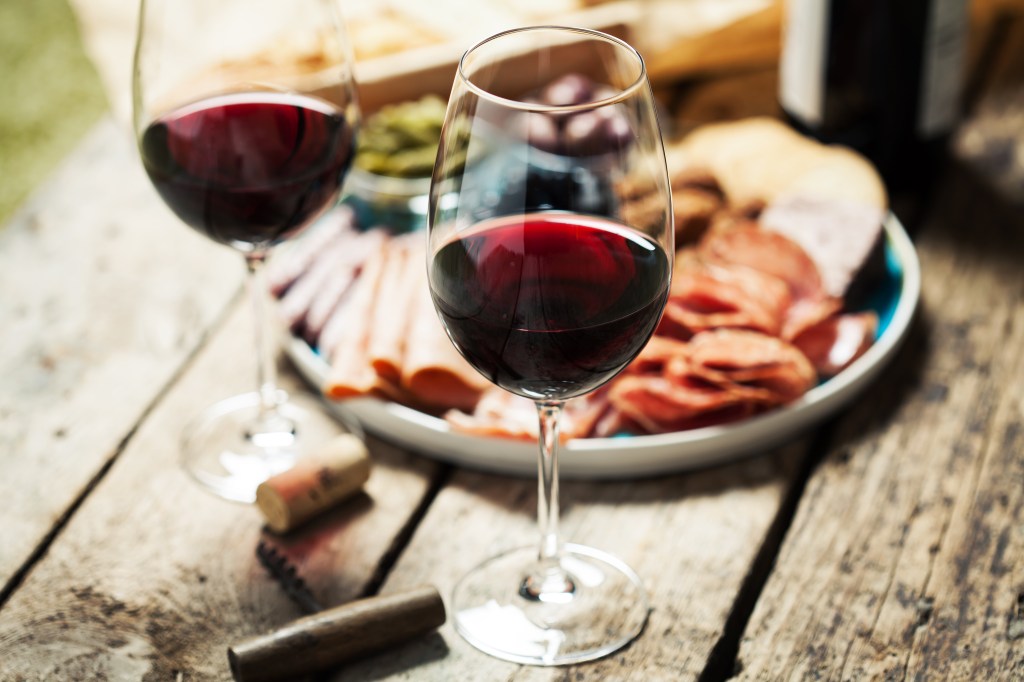
Two glasses of red wine with food
Image Credit: Shutterstock/https://www.shutterstock.com/g/nschatzi

When pairing wine with food, you must remember a few fundamental principles.

First up, we have matching or contrasting flavors. Matching flavors means pairing wine with similar tastes to the dish, while contrasting flavors means pairing wine with flavors that complement or contrast the plate. For example, a bold red wine pairs well with a juicy steak because the flavors complement each other, while a crisp white wine contrasts with the creaminess of a cheese plate.

Another essential factor to consider is the weight and intensity of both the wine and the food. A light-bodied wine should be paired with lighter dishes, while full-bodied wines can hold up to heartier, more intense flavors. A general rule of thumb is that the wine’s weight should match the dish’s weight.

And let’s remember to pair wine with specific types of food. For red meat, a bold red wine like Cabernet Sauvignon or Syrah is a classic pairing, while seafood and white wine are a match made in heaven. And when it comes to cheese, the possibilities are endless, but a good rule of thumb is to pair creamy cheeses with lighter wines and aged cheeses with bolder wines.

3 Wine Strategies to Elevate Any Meal

Ready to take your wine pairing game to the next level? Let’s explore some different pairing strategies that go beyond the basics.

#1 – Regional Pairing

First up, we have regional pairing. This strategy involves pairing wine and food from the same region. For example, a dish from Italy could be paired with a Chianti wine from Tuscany. This strategy is a great way to enhance the overall experience by immersing yourself in the flavors and culture of a specific region.

#2 – Flavor Pairing

Flavor pairing is another, perhaps obvious, strategy that involves pairing wine with food with similar or complementary flavors (a sweet wine pairs well with a dessert, for example). This strategy can create a harmonious balance of flavors that will leave your taste buds happy.

#3 – Textural Pairing

Lastly, we have textural pairing. This strategy involves pairing wine with food with similar or complementary textures. For example, a creamy dish pairs well with a buttery Chardonnay, as both have a rich and velvety texture.

More Tips for Successful Wine Pairing

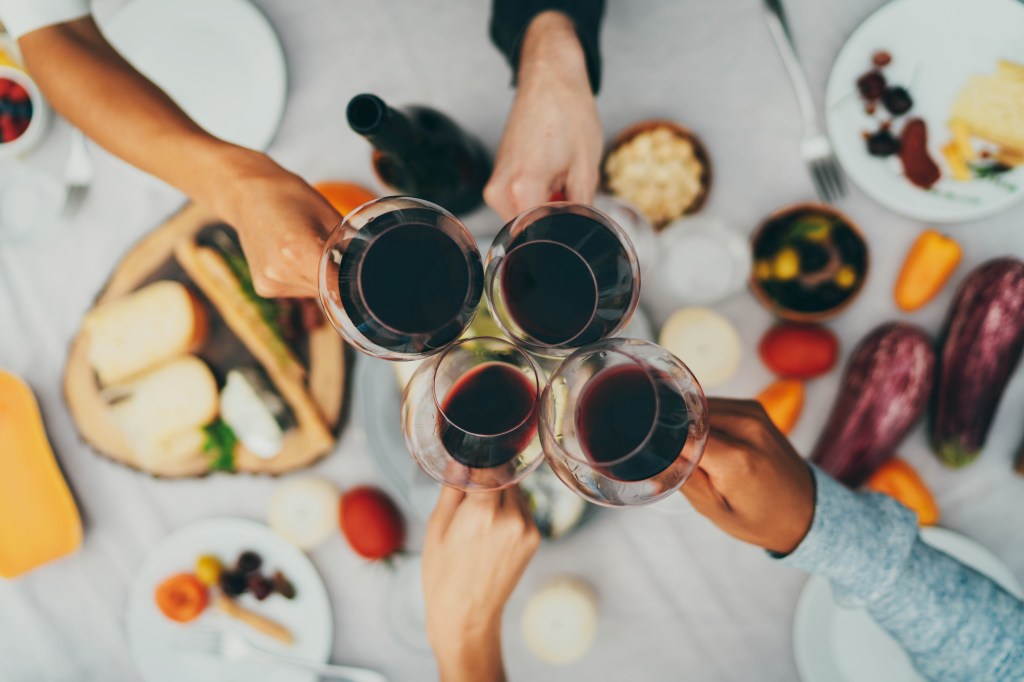
four hands toasting red wine

We’ve covered the basics and explored different pairing strategies, but how else do you ensure a success?

Here are some additional tips to keep in mind:

  • Experiment and try new things. Wine pairing is a fun and creative process, so don’t be afraid to step out of your comfort zone and try new combinations.
  • Consider the occasion and the audience. Are you hosting a fancy dinner party or enjoying a casual meal with friends? Different events may call for different pairings, so consider that when choosing.
  • Remember personal preference. If you’re not a fan of a particular type of wine, don’t force yourself to drink it just because it’s a “classic” pairing.

Remember to have fun, be creative, and, most importantly, enjoy the delicious flavors of wine and food together.

Find Your Perfect Vino Match Today

Selecting the best wine can seem daunting initially, but with a few basic principles and some fun strategies, you can elevate any meal to a new level of deliciousness. The perfect pairing can enhance the flavors of your dish, making every bite (and sip) a heavenly match made in culinary heaven.

Grab a bottle of your favorite wine, whip up a tasty dish, and experiment with different pairings to find your perfect match. Cheers to the endless possibilities of wine and food pairing!