-
Chattanooga Whiskey
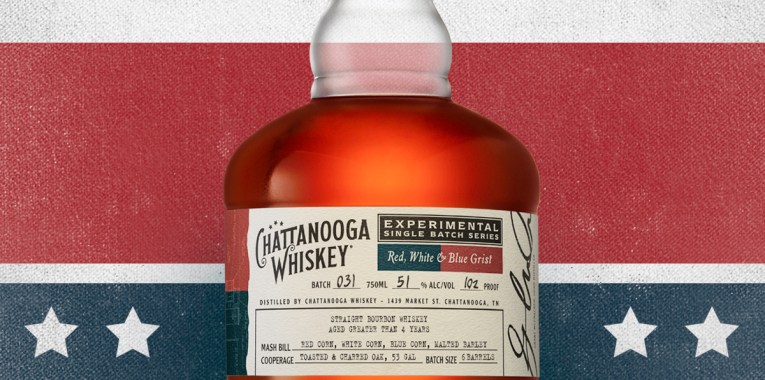
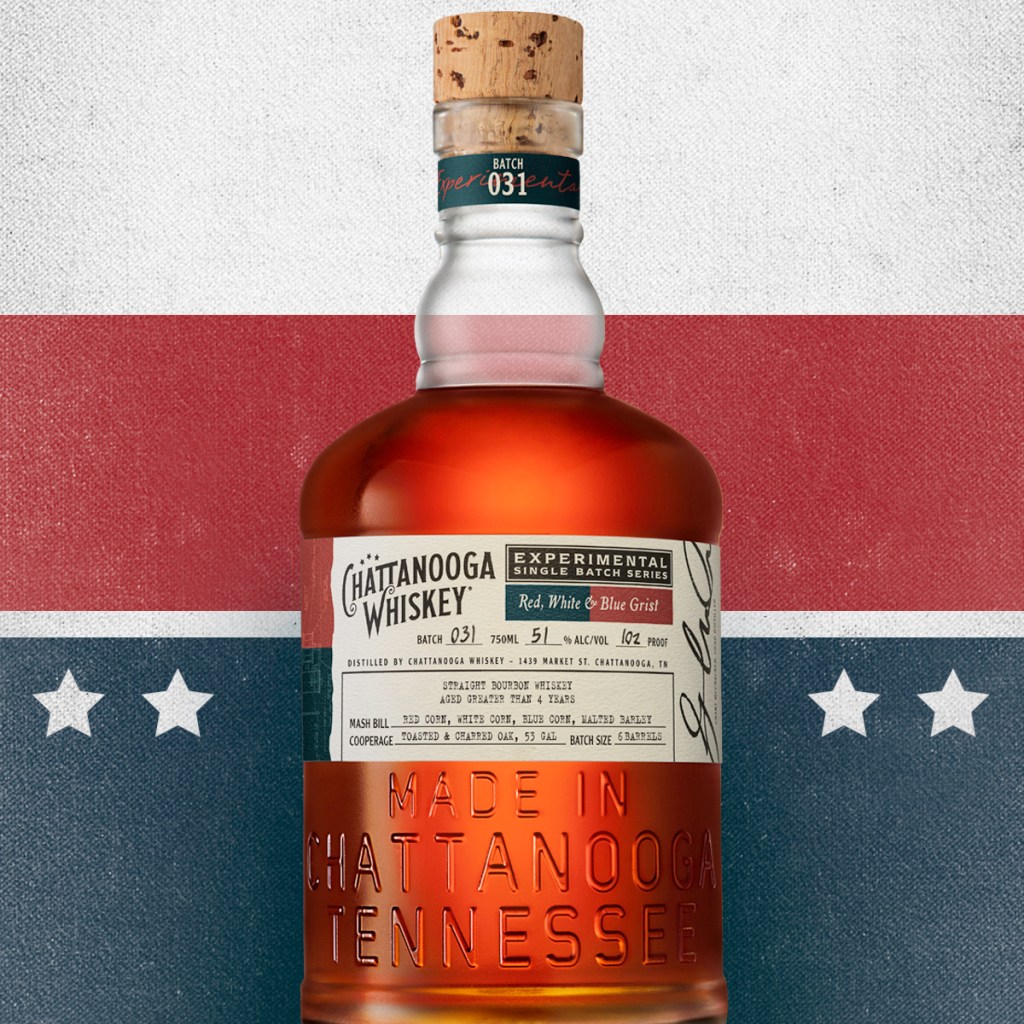
CHATTANOOGA WHISKEY ANNOUNCES THE RELEASE OF EXPERIMENTAL BATCH 031: RED, WHITE & BLUE GRIST
Chattanooga, TN (May 2023) – Chattanooga Whiskey announced today the release of their newest whiskey,
Experimental Batch 031: Red, White & Blue Grist. Made with a blend of stone-ground red, white, and blue corn
varieties, this commemorative batch celebrates the 10th anniversary of Tennessee’s “Whiskey Bill,” which, in
May of 2013, legalized spirits production in Chattanooga, Tennessee, for the first time in over 100 years.Following on the heels of last month’s Founder’s Anniversary Blend, Red, White & Blue Grist turns the
company’s focus back to their prolific Experimental Single Batch Series, which – after being named Best Craft
Producer of 2023 by Whisky Magazine’s Icons of Whisky – has continued to garner industry attention for its
innovative array of whiskeys, spirits, and liqueurs.This – their 31st batch since 2017 – is a high-malt bourbon made with three stone-ground corn varieties from
Riverview Farms Milling (Ranger, GA), along with more than 25% pale malted barley. Aged for over 4 years in
charred & toasted barrels, the finished whiskey showcases the delicate flavor impact of each corn varietal;
offering notes of dried fig, sweet corn cake, berries & cream, and almond croissant.
“Every one of our Experimental Single Batches is meant to have its own personality and story, and Batch 031
is no different. Red, White & Blue Grist highlights the unique flavor contributions from less common, stone-milled
corn varieties, while also telling the origin story of how our Whiskey got started,” said Grant McCracken,
Founding Distiller and CPO.Over 11 years ago, Chattanooga Whiskey’s Vote Whiskey campaign galvanized the local Chattanooga
community into action, leading to the drafting of the now famous “Whiskey Bill.” Since the bill was signed into
law by Governor Bill Haslam on May 16th, 2013, dozens of distilleries have since opened across the state – creating
renewed interest and growth from one of the world’s most storied whiskey-making regions. In honor of the
anniversary of the bill’s signing, each commemorative bottle is adorned with a sticker that is inspired by the
seal found on House Bill 102 – a copy of which is on display at the company’s Experimental Distillery.About Chattanooga Whiskey
Starting in 2011, Chattanooga Whiskey challenged the laws and won the right to distill whiskey in
Chattanooga for the first time in over 100 years. The Chattanooga Whiskey Experimental Distillery now hosts
over 40,000 visitors per year and serves as a hub of innovation and creativity to push the boundaries of craft
whiskey.The Riverfront Distillery is the production home to Chattanooga Whiskey’s signature Tennessee High
Malt expressions: Chattanooga Whiskey 91, Cask 111, 99 Rye, and the Bottled in Bond Vintage Series.Chattanooga Whiskey: http://www.chattanoogawhiskey.com
Experimental Distillery 1439 Market Street, Chattanooga, TN
Riverfront Distillery 890 Riverfront Pkwy, Chattanooga, TN
For more information: Press@TNStillhouse.com -
Melissa’s Sidecar
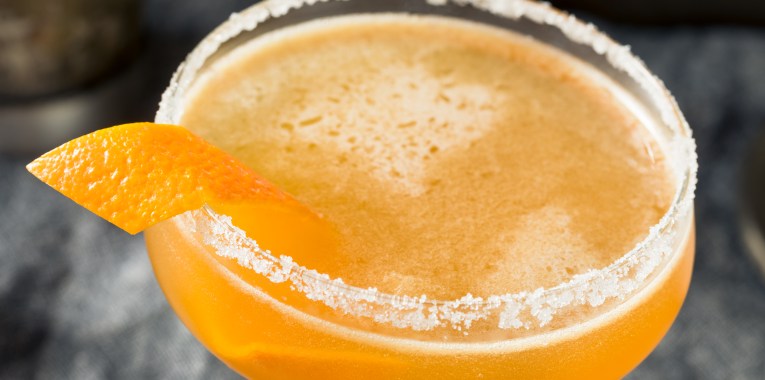
Once in a great while, I try to surprise my husband by making a new cocktail since he is the resident bartender. I found this one when looking for classic cocktails. It’s citrusy and sweet with the brandy but has plenty of kick.
-
Tito’s Tropical Tail Wagger
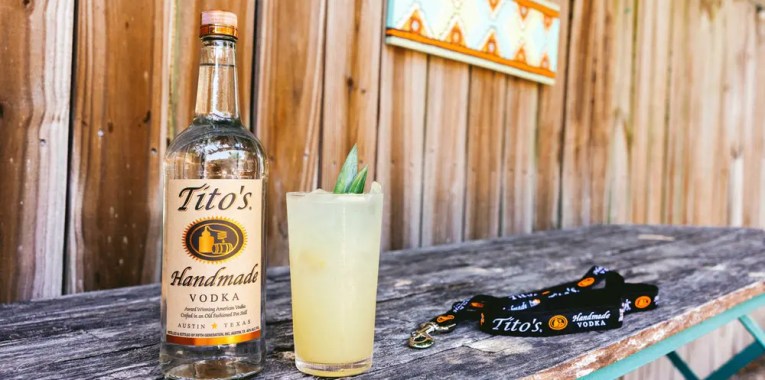
This drink comes to us from Tito’s and their Walktail Capsule Collection.
-
Ilegal Mezcal Reposado
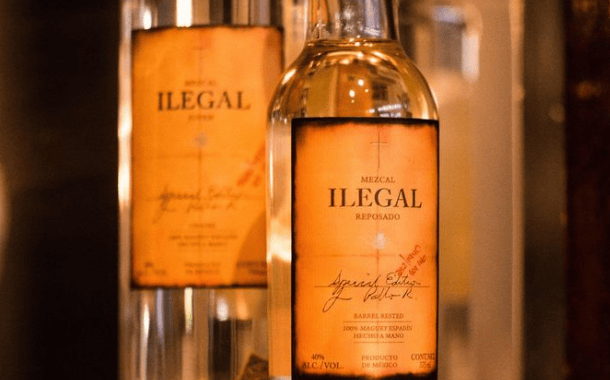
I recently had the pleasure of tasting Ilegal Mezcal Reposado and was blown away.
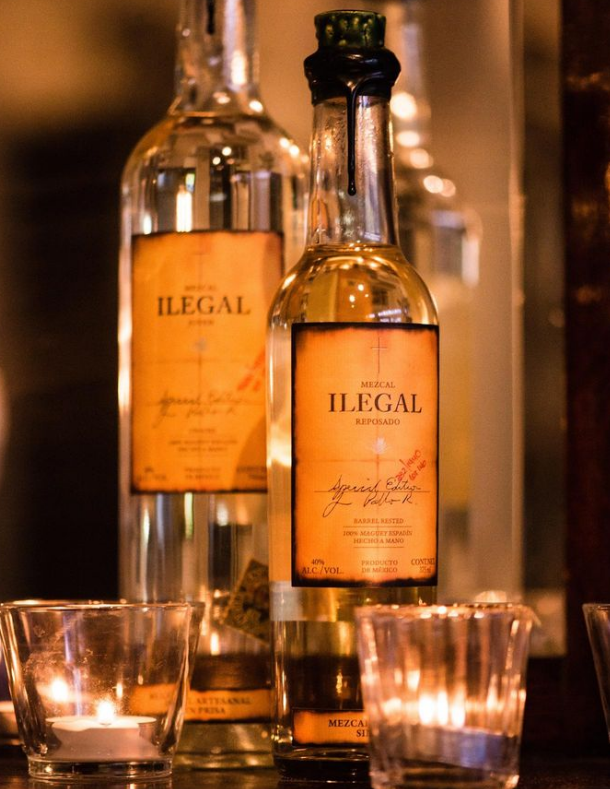
Have you ever taken the time to taste Mezcal? It’s not just a smokey tequila used in mixed drinks. As a matter of fact, tequila is a mezcal, not the other way around. Don’t feel bad; I didn’t know this either. Just as Scotch and bourbon are whiskey, tequila is a mezcal. The reason is that mezcal is any agave spirit; however, tequila is made from only blue agave.
I have to admit, I am not usually into smokey flavors. My husband always goes for the mezcal cocktail at a restaurant, and I steer clear. Ilegal Mezcal has changed my mind. Unfortunately, I may be disappointed when a restaurant doesn’t have this premium option. Some say Ilegal is the mezcal to serve people who say they don’t like mezcal. It’s that good and unique.
I think what makes it so different is the fact that Ilegal is aged in American Oak barrels for four months. The result is familiar “wood” notes that I am used to enjoying in bourbon. The smoke is there for sure, as expected and desired in a mezcal, but I was impressed with the many layers in this spirit. Honestly, I don’t know a lot about mezcal, and maybe that’s a good thing since it makes me an unbiased taster.
Here are all the notes I found:
The nose: citrus and agave forward, also peppery
The palate: sweet and smokey (even the smoke has a sweetness to it), caramel, orange
The finish: that sweet smoke lasts for a while, in a good way
I’d call this a premium, refined mezcal. I was seriously impressed. Sometimes smoke flavors taste fake or forced to me. This mezcal is subtle and layered.
Check out these beautiful mezcal cocktail recipes from Ilegal. And click HERE for complete cocktail kits!
Ilegal Margarita
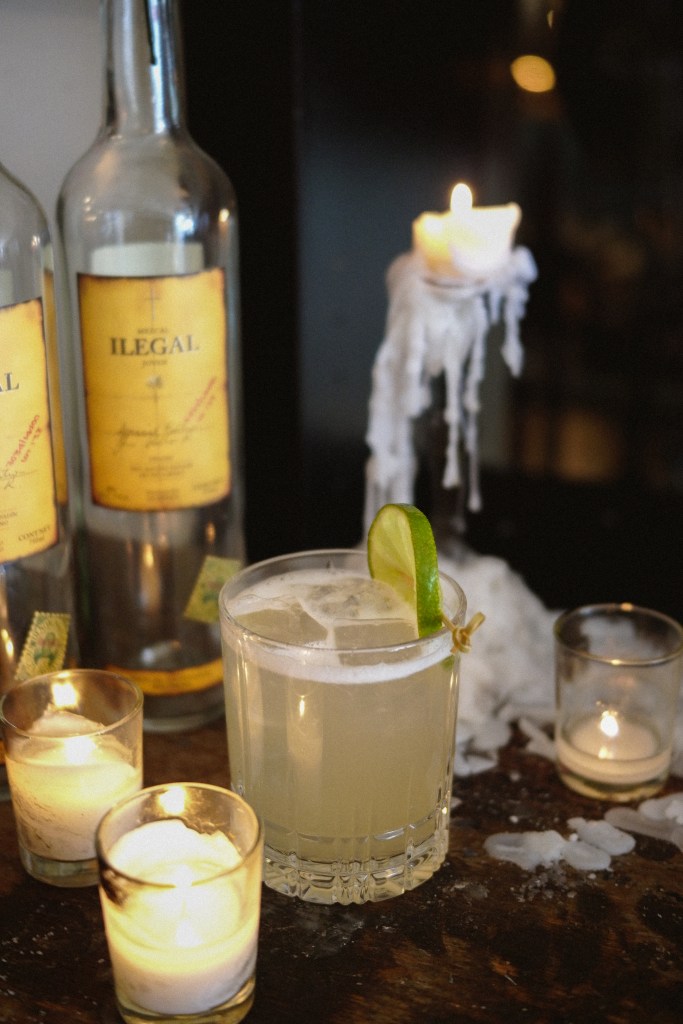
2 oz Ilegal Mezcal Joven
1 oz Lime Juice
1/2 oz Agave Nectar
Directions: Add to shaker with ice. Shake. Dump ingredients into a pre-salted rimmed rocks glass.
Agua Verde
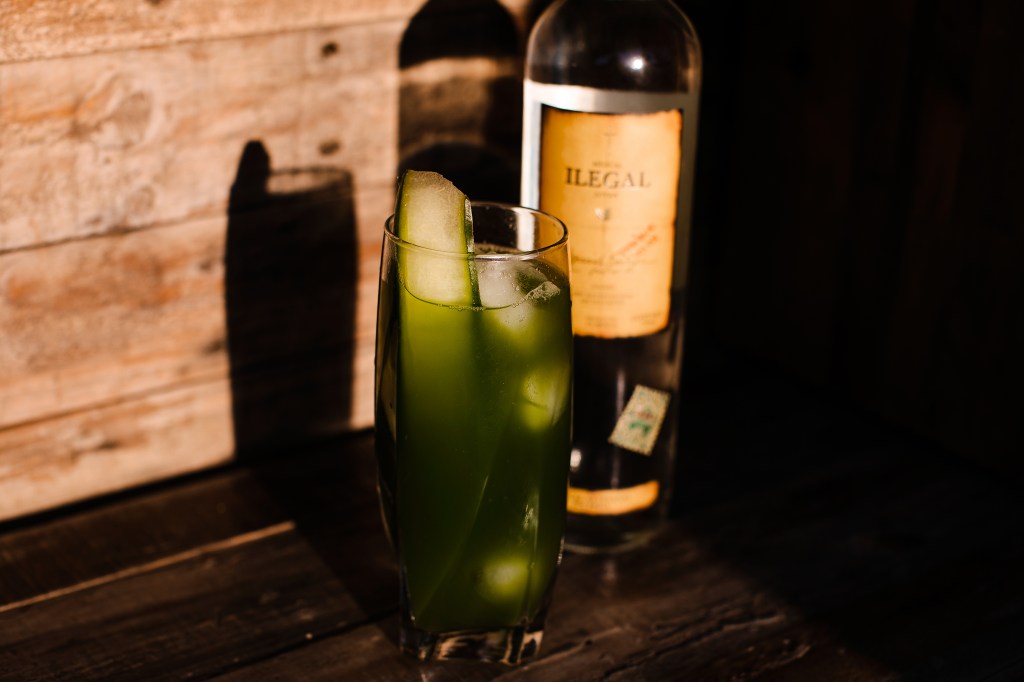
1.5 oz Ilegal Mezcal Joven
1.5 oz Cucumber Juice
.75 oz Simple Syrup
.5 oz Ancho Reyes
.5 oz Fresh Lime
Build all ingredients in cocktail shaker. Shake vigorously with ice. Strain over fresh ice and garnish with a cucumber sliver.
-
Purity Vodka
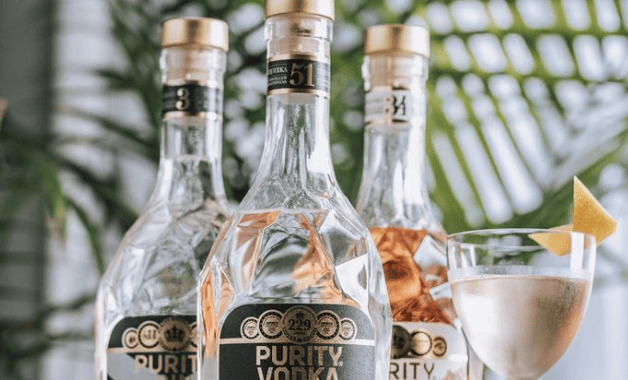
A symphony of craftsmanship and taste in an organic vodka.
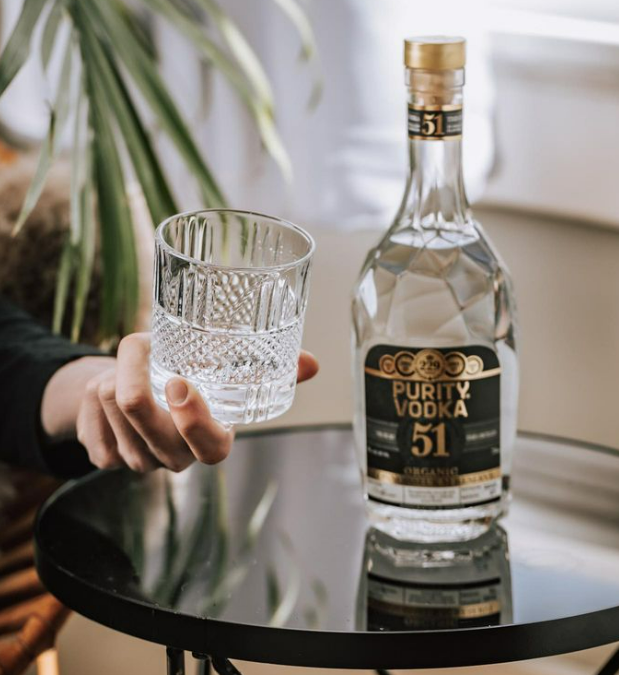
Purity Vodka has emerged as a premier spirit in the industry, standing out due to its exceptional taste, pure ingredients, and meticulous distillation process.
Since its inception, Purity Vodka has earned accolades from vodka connoisseurs worldwide for its unparalleled smoothness and distinctive character.
The Distillation Process
Purity Vodka is produced in Ellinge Castle, a 13th-century castle in southern Sweden. The distillation process is a key factor that sets Purity Vodka apart from its competitors.
Unlike many commercial brands that distill their vodka only a few times, Purity Vodka undergoes distillation up to 51 times. This extensive process allows for the selective capture of the “heart” of the distillate, which is the purest and most flavor-rich portion. The end result is an ultra-premium vodka, free of impurities and full of character and complexity.
The Ingredients in Purity Vodka
Purity Vodka is made from natural ingredients, including organic winter wheat and barley, and untouched, mineral-rich water from the distillery’s deep well. This commitment to using high-quality, organic ingredients ensures that Purity Vodka maintains a clean, crisp flavor and a smooth finish. It’s a testament to the brand’s philosophy that quality cannot be compromised.
The Taste of Purity Vodka
Purity is renowned for its full-bodied, complex flavor profile that sets it apart from the more traditional, neutral vodkas. It has a creamy, rich mouthfeel with subtle notes of vanilla and white chocolate, followed by a smooth finish. This distinctive taste makes Purity Vodka a perfect choice for sipping neat, on the rocks, or as a base in sophisticated cocktails.
Awards and Recognition
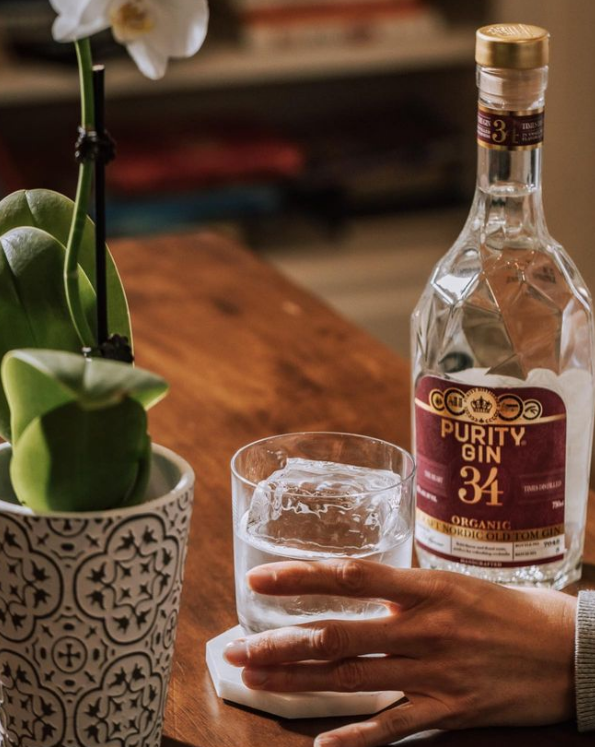
Purity Distillery’s commitment to excellence has not gone unnoticed. The brand has won numerous awards and accolades from prestigious international competitions. Among its laurels, Purity Vodka has been named ‘Vodka of the Year’ at the Spirits Business Vodka Masters on multiple occasions, a testament to its superior quality and taste. Purity Distillery also produces an outstanding gin.
In conclusion, with its unique blend of fine craftsmanship, superior ingredients, and an extensive distillation process, Purity Vodka offers a luxurious and distinctive spirit. Its full-bodied flavor profile and smooth finish elevate the vodka-drinking experience, appealing to casual drinkers and connoisseurs alike. From the 13th-century Ellinge Castle to your glass, every step in the creation is a testament to the pursuit of perfection, offering a truly unique taste in the world of spirits.
On a side note…if you love a good martini (who doesn’t?) Purity’s Master Blender, Mathias Tönnesson, has one simple trick to further elevate your martini’s flavor – a pinch of salt.
Take your martini-making skills to the next level with his Salted Martini recipe that is sure to impress:
- 2 1/2 ounces Purity Connoisseur 51 Reserve Vodka
- Pinch of salt
- 3 olives
Add the Purity vodka and a pinch of salt in a mixing glass filled with ice and stir until well-chilled. Strain into a chilled cocktail glass. Garnish with a skewer of 3 olives for good luck.
-
The Production of Mezcal
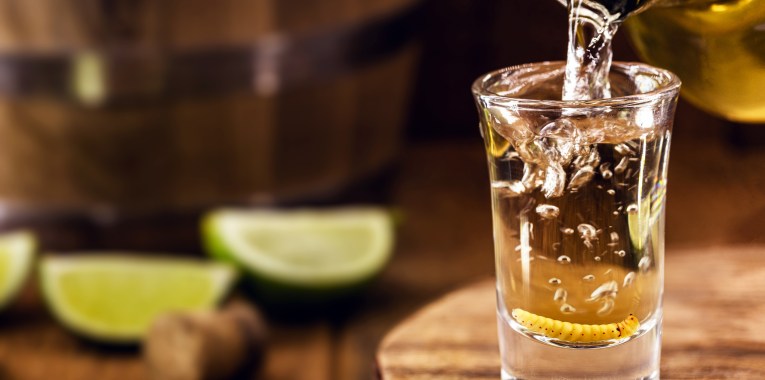
Mezcal is a time-honored spirit deeply rooted in Mexican culture and has gained immense popularity worldwide.
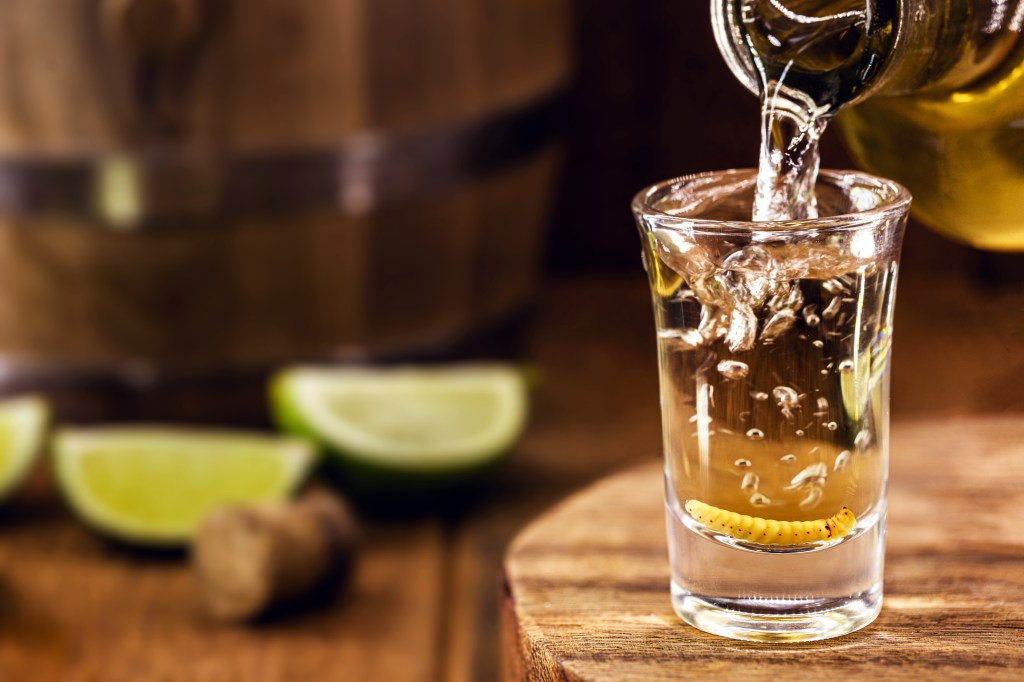
Image Credit: Shutterstock.com/RHJPhtotos Known for its distinctive smoky flavor and rich cultural heritage, Mezcal stands apart from its cousin, Tequila, offering an authentic taste experience. But have you ever wondered about the fascinating journey that transforms the agave plant into this exquisite elixir? In this article, we’ll explore the meticulous production of Mezcal, which combines tradition, craftsmanship, and a deep respect for the land.
The Agave Plant
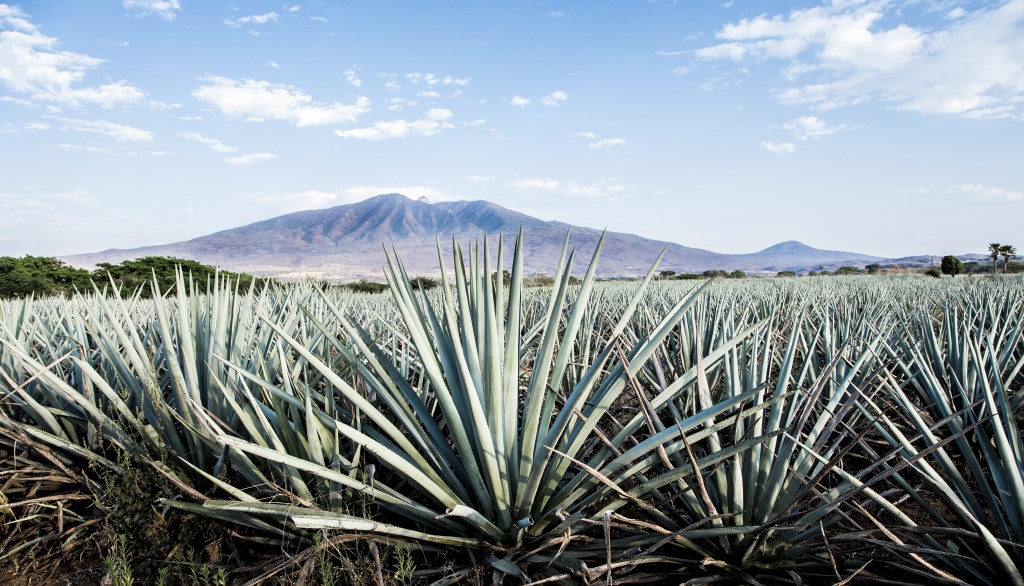
Image Credit: Shutterstock.com/Jesus Cervantes The heart of the production of Mezcal lies in the agave plant, primarily the Espadín variety, although other agave types such as Tobalá, Tobaziche, and Madrecuishe are also used. These plants are cultivated in the arid regions of Mexico, where they require years to mature fully. The agave’s wild and rugged beauty is reflected in the spirit it produces.
Harvesting and Roasting
Once the agave plants reach their peak maturity, known as “jimadores” or agave farmers, hand-select and harvest them. The leaves are skillfully removed, leaving the heart of the plant, known as the “piña.” These piñas can weigh anywhere from 20 to 200 pounds, depending on the agave species.
Next, the piñas undergo roasting, a critical step in Mezcal production. Traditionally, they are roasted in underground pits called “palenques,” lined with volcanic rocks. The piñas are carefully arranged in layers, covered with earth and agave fibers, and left to roast for several days. This slow-cooking process infuses the Mezcal with its signature smoky flavor.
Milling and Fermentation
Once the piñas are suitably roasted, they are extracted from the pit and crushed to extract the sweet, fibrous juice. Traditional methods involve using a massive stone wheel, called a “tahona,” which is drawn by mules to crush the cooked agave. Nowadays, mechanical shredders or mills are also used for efficiency while retaining the essence of tradition.
The extracted juice, known as the “aguamiel,” is then transferred to fermentation vats. These vats are typically made from wood, concrete, or even animal skins, providing an ideal environment for the yeast to work its magic. Natural fermentation can take anywhere from a few days to several weeks, depending on the desired flavor profile.
Distillation and Aging
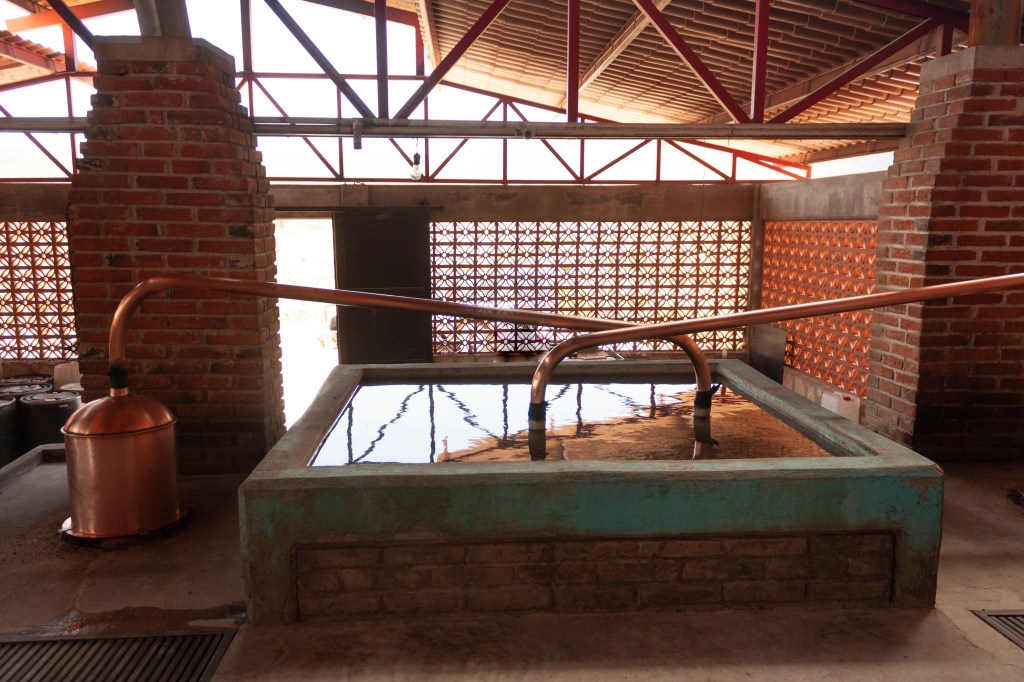
image credit: Shutterstock.com/Amalia Vargas Rubio The fermented aguamiel is distilled to convert it into Mezcal. Traditionally, this process involves the use of copper stills, which allow for the refinement and concentration of flavors. The liquid is distilled at least twice to ensure the highest quality, with the first distillation known as “ordinario” and the second as “refinado.”
Unlike Tequila, which must be made exclusively from blue agave, the production of Mezcal allows for a broader range of agave varieties, resulting in diverse flavor profiles. Additionally, some Mezcal producers embrace artisanal methods such as clay pot stills, which further enhance the spirit’s unique character.
Following distillation, Mezcal may be bottled immediately or undergo aging to develop more complex flavors. While there are young or “joven” Mezcals, aged variants can spend months to years in oak barrels, enriching the spirit with notes of vanilla, caramel, and spice.
What truly sets Mezcal apart is the deep connection to its cultural heritage and the communities involved in its production. Many Mezcal producers are small, family-owned operations that have passed down their knowledge.
-
Carmel Restaurant
Inspired by California & Yucatan Shores & Founder Tal Baum’s Seaside Upbringing, Carmel Offers Bold, Seasonal Dishes & Drinks for Lunch, Dinner & Sunday Brunch
Relaxed, Coastal Atmosphere Designed with Smith Hanes Studio
ATLANTA, MAY 16, 2023 – Tal Baum, Founder of Atlanta’s Oliva Restaurant Group, announces her sixth restaurant concept, Carmel, is now open at Buckhead Village in Atlanta. Inspired by the shores of California and the Yucatan Peninsula as well as Tal’s upbringing on the Mediterranean coast, the full-service restaurant and bar’s easy, coastal atmosphere welcomes guests to gather over lunch, dinner, Sunday brunch, drinks, and pastries and coffee. The group is also behind the city’s beloved restaurants Bellina Alimentari and Atrium at Ponce City Market, Aziza and Falafel Nation at Westside Provisions District and Rina on the Atlanta BeltLine’s Eastside Trail.
The restaurant, named in honor of Tal’s daughter Carmel and her family home in Mount Carmel, Israel, serves dishes that are bold, seasonal and ingredient-focused from Executive Chef Luis Guevara Salgado, who previously helmed the kitchen at Aziza and also grew up on the coast, in Acapulco, Mexico. Reflecting both Baum’s and Salgado’s takes on coastal cuisine, the lunch, dinner and brunch menus celebrate the water with fresh fish and seafood as well as the land with unique cuts of meat and produce.
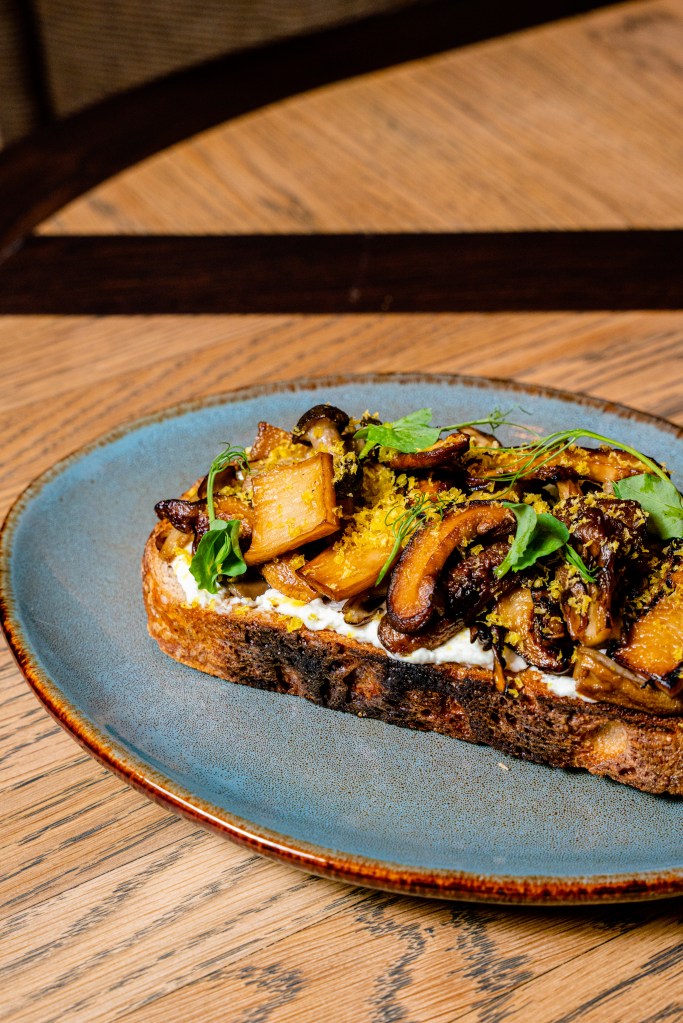
At lunch, guests can expect bowls, salads, coffee, dessert and more. Come dinner, the menu features small bites that are exciting and unique, shareable, produce-focused seconds, main dishes from the kitchen’s wood-burning hearth and a variety of sides that celebrate the season’s bounty and complement main dishes. For Sunday brunch, guests can enjoy jewels from the coast, like ceviche and tartare, and the likes of salads, toast, crab fritters, tostadas and a pastry basket made daily in house. Mains include vegetable dishes with egg, a Grouper Torta, Shrimp with chorizo, pickled tomatillos & creamy polenta and more. Pastries and coffee are also available throughout each day.
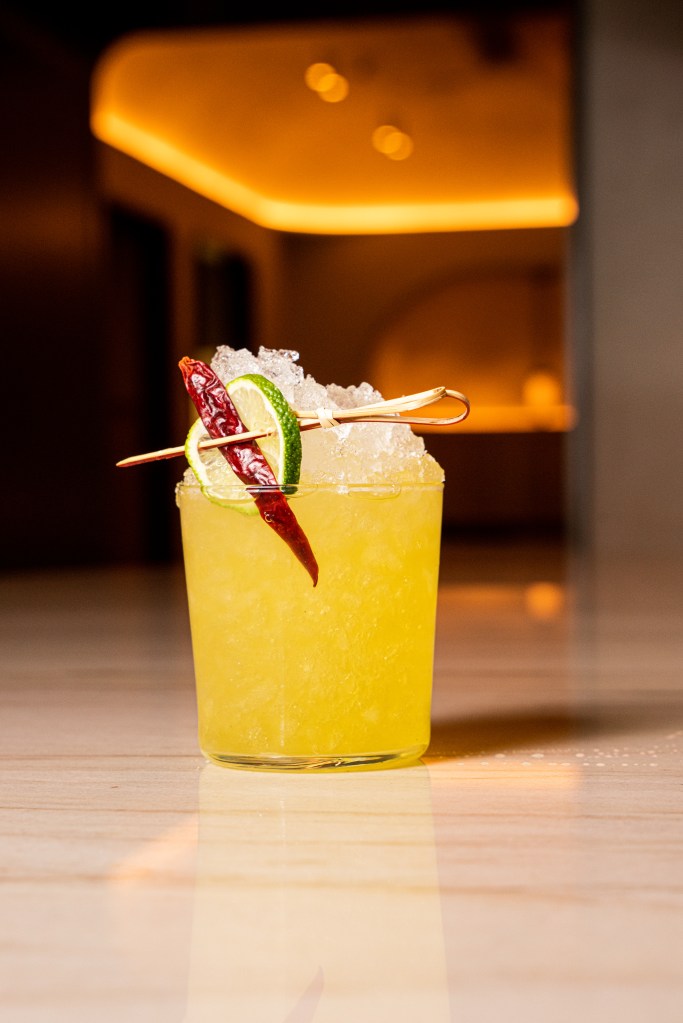
On the beverage side, the bar reflects drinks and unique ingredients from coasts around the world. With a backbone of Latin American spirits, including sipping rums, organic mezcals and pisco, the cocktail menu is from Oliva Restaurant Group’s Beverage Director Demario Wallace and Carmel’s Bar Manager Baylee Hopings, who was recently named a 2023 Rising Star by StarChefs. The cocktail selection also offers guests a zero-proof option for each drink utilizing non-alcoholic spirits.
The wine list, curated by Carmel’s Assistant General Manager & Wine Manager David Chapman, spotlights the Pacific Coast, with selects from Walla Walla, Washington down through the Bio Bio region in Chile. Guests can find many wines from producers prioritizing organic and sustainable farming, and be able to sip Old World wine from France and Italy.
Come 9pm on Fridays and Saturdays, a DJ plays in the bar until midnight. Guests can nibble on bar snacks while enjoying drinks.
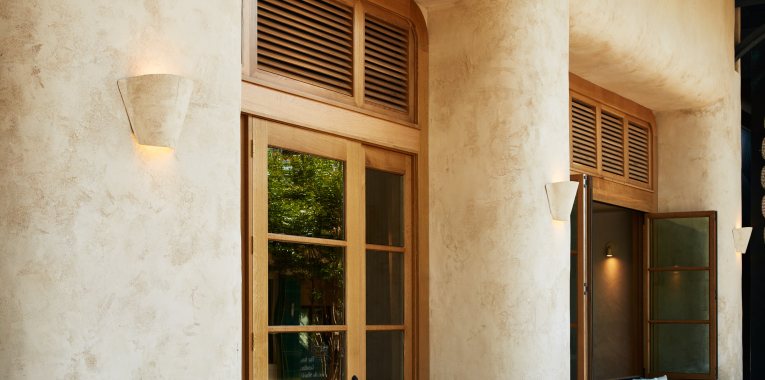
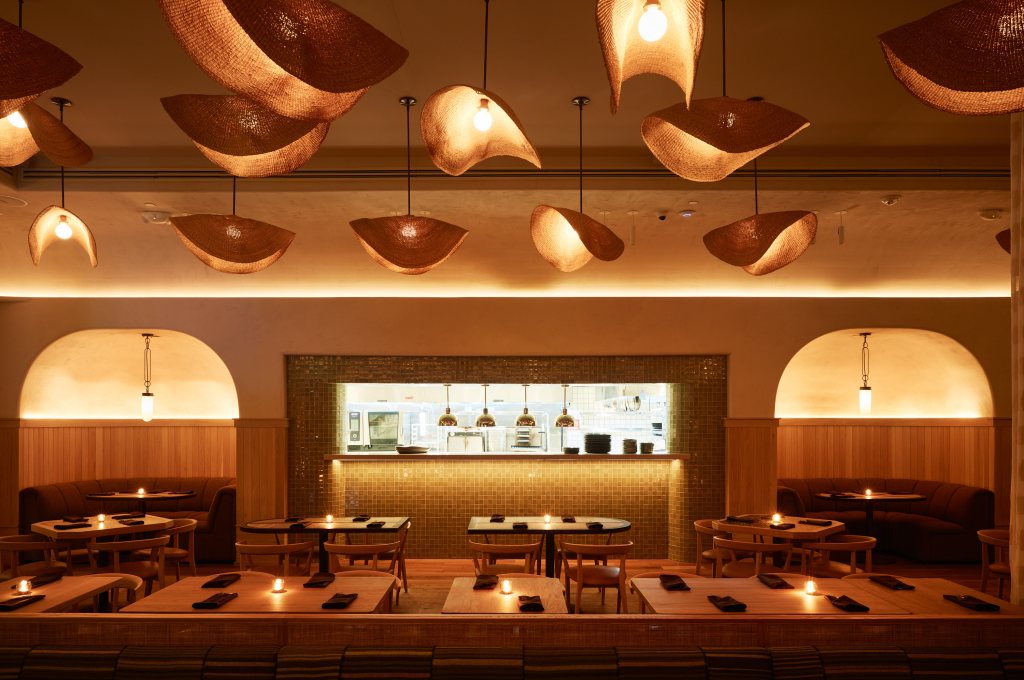
Leaning on her degree in architecture, Tal designed the dining room and bar in collaboration with Atlanta’s Smith Hanes Studio. With every restaurant, Tal seeks to create a space that transports guests to another place, where every element is intentionally planned to contribute to the overall culinary experience. Carmel evokes a feeling of easy, coastal living, featuring earthy, hand-textured plaster walls, woven rattan accents and warm-toned natural woods.
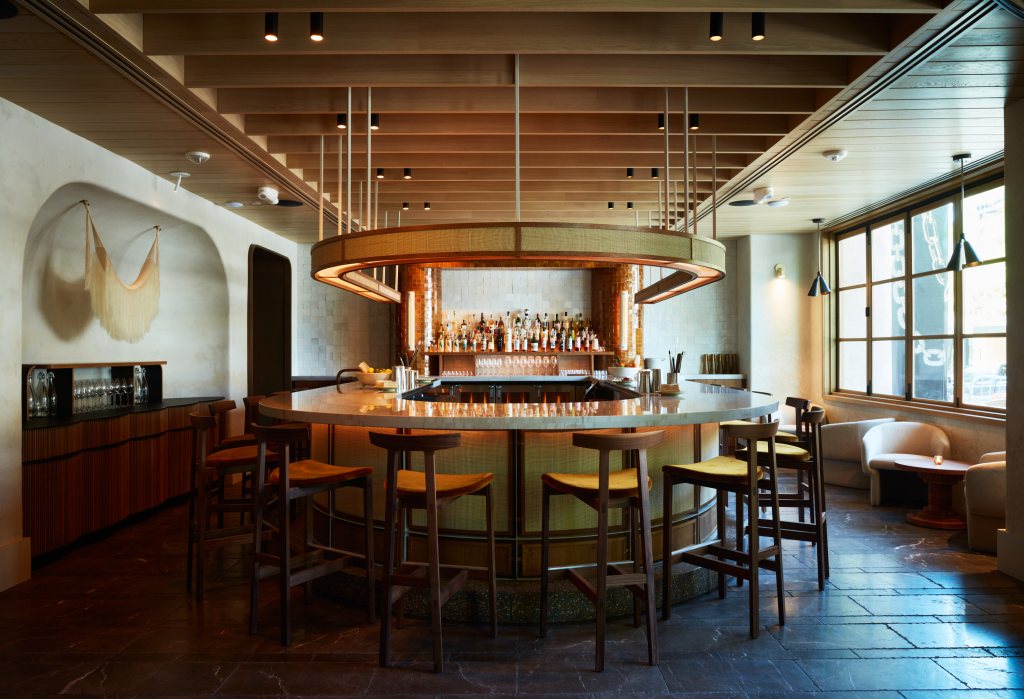
Located on Buckhead Village’s cobblestone street Bolling Way NE, the restaurant welcomes guests into an intimate bar room. The rattan-wrapped bar, amber-tiled barback, glowing drink rail and sculptural lighting evoke a world of cabanas and parts of the Mediterranean where handwoven basketry is commonplace. A massive wood-framed window opens the bar to patio tables on the sidewalk, blurring indoor and outdoor living and making way for the outdoor breeze, much like at the beach.
Beyond the bar, guests walk through deep rounded thresholds to enter an expansive, 1,600-square-foot dining room wrapped in warm light, as if the sun is setting low on the ocean’s horizon. Three sculptural niches inspired by Mediterranean architecture provide romantic nooks for imbibing. Mossy green velvet banquettes, soft booths and leather armchairs complete the vibe.
The design is a celebration of local Atlanta artisans, with custom fiber installations by Sonya Yong James, hand-applied plaster by Super Delicious Walls and exquisite upholstery and millwork items crafted by local fabricators Hancock Surface Studio, Onemost Studio and Bjork Studio.
3009 Bolling Way NE
Atlanta, GA 30305
470-355-7245
…
HOURS
Lunch
Monday through Saturday
11am-4pm
Dinner
Nightly
From 5pm
Sunday Brunch
11am-3pm
Bar Snacks
Mid-afternoon daily
Late Night Friday & Saturday
About Oliva Restaurant Group – Founded in 2015 with the opening of Bellina Alimentari at Ponce City Market, Oliva Restaurant Group is a collection of restaurants in Atlanta, Georgia exploring Founder Tal Baum’s cross-cultural upbringing. The group also now encompasses some of Atlanta’s most beloved restaurants, including modern Israeli spots Aziza and Falafel Nation in the city’s West Midtown neighborhood, Rina, an Israeli, diner-style eatery on the Atlanta BeltLine’s Eastside Trail, Atrium, a restaurant offering a Modern American menu with European influence at Ponce City Market, and Carmel, a new restaurant at Buckhead Village inspired by the shores of California and the Yucatan Peninsula as well as Tal’s upbringing on the Mediterranean coast. The group’s mission is to share flavorful moments that celebrate worldly cuisine, honor local ingredients and deepen connections to each other.
About Buckhead Village – Serving up modern, chic fashion and food in the heart of Atlanta’s iconic Buckhead neighborhood, Buckhead Village is a shopping and dining destination featuring retail from the world’s top fashion houses and emerging artisans, decadent global culinary adventures, as well as wellness classes and experiences. Owned by real estate investment and management firm Jamestown, the property offers guests a stylish and welcoming haven with cobblestone streets and outdoor communal spaces with lush greenery and bold, European-inspired design. For more information, please visit www.buckheadvillagedistrict.com.
-
Old Fashioned
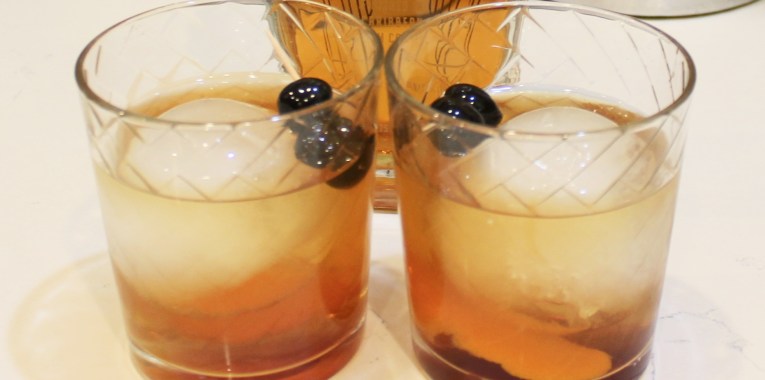
Ahhh, the Old Fashioned cocktail. It may possibly be the most talked about drink of our time. Everyone has their opinion on what the perfect Old Fashioned looks like. Personally, I like mine simple and classic. Ask anyone who knows us well and they will agree – my husband has perfected the Old Fashioned. Here’s his recipe:
-
Brandy Alexander
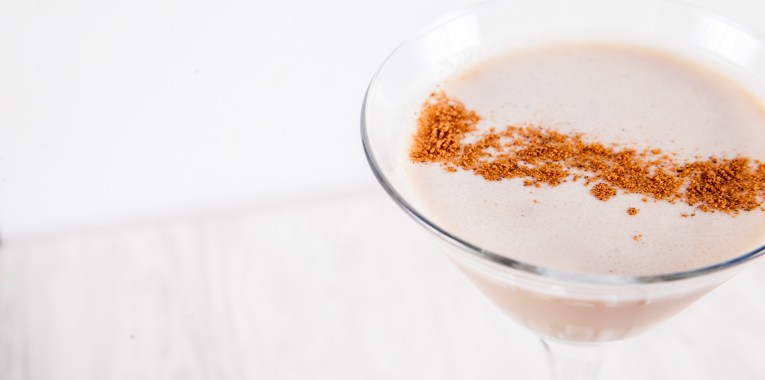
You don’t have to live in Wisconsin to fall in love with the Brandy Alexander. Whip this delicious dessert-type drink up in your blender, no matter where you live, and toast your Brandy-loving Wisconsin friends.
-
Coffee During the Workday
77% of coffee drinkers need two or more cups of coffee during the workday to feel productive.
Image Credit: Shutterstock.com/Evgeny Karandaev The average person spends nearly 50 hours a year purchasing beverages at the café during the workday.
A survey of 2,000 on-site employees found it takes about 16 minutes to leave one’s desk, buy a drink and return, but with three such trips a week, employees lose an entire work week per year.
However, having a favorite beverage in hand can help kick-start one’s day. To get their workday going, people usually get organized (60%), sip their favorite beverage (59%) and check their emails (55%).
While a hot cup of coffee (66%) is the most popular first drink of the day, participants also prefer cold drinks such as iced coffee (47%), water (45%) and flavored water (30%).
Conducted by OnePoll on behalf of multi-beverage system maker Flavia, the survey also found there may be a link between drink preference and productivity.
Seventy-seven percent of coffee drinkers need two or more cups of coffee to feel productive on a workday, with nearly a quarter (24%) noting Mondays were the day of the week they needed the most coffee.
Six in 10 (60%) turn to a hot cup of coffee to improve their mood at work, as well.
Sometimes, though, it takes getting creative with one’s beverage to freshen things up. Nearly two-thirds (64%) “always” or “often” vary the type of drink they consume as the hours go by.
Aside from hot coffee (77%), people also drink water (70%), iced coffee (64%), tea (62%), juice (55%) and flavored water (51%) while they work, among other beverages.
“Over a third (37%) of those surveyed would like the ability to brew hot and cold beverages and more than a quarter (26%) want to be able to brew different kinds of beverages at work,” said Camille Vareille, VP, Head of Marketing Americas, Lavazza Group.
Money spent on beverages also adds up quickly. While at the cafe, the average American buys about 2.5 drinks, totaling about $16 per visit. With more than three visits to the café per week, that amounts to over $2,800 a year.
“The survey revealed that nearly 87% of respondents were going into the office between two to three days a week. Over eight in 10 employees said having free beverages as a workplace perk would make them feel valued, and offering free beverages was the most requested perk to encourage employees to work from an office. Investing in an array of beverages on-site can not only save employees time and money but also help with bringing them back into the office,” Vareille added.
WHAT PERKS WOULD ENCOURAGE ON-SITE EMPLOYEES TO WORK FROM AN OFFICE?
- Free beverages – 46%
- Required breaks – 45%
- Free food – 45%
- On-site gym – 43%
- Office lounge/social area – 42%
- Ability to bring pets to work – 36%
- Ability to bring kid to work – 29%
- On-site games – 22%
- In-person employee clubs – 14%
16.4 minutes per cafe visit x 3.42 visits to the cafe per week = 56.088 minutes a week, x 52 weeks in a year = 2,916.576 minutes or 48.61 hours a year
$6.27 spent per beverage at a cafe on an average visit x 2.56 beverages per visit = $16.0512 per visit x 3.42 trips a week = $54.895104 spent per week x 52 weeks = $2,854.55 a year
Survey methodology:
This random double-opt-in survey of 2,050 U.S. adults who work on-site or in an office was commissioned by Flavia between March 29 and April 4, 2023. It was conducted by market research company OnePoll, whose team members are members of the Market Research Society and have corporate membership to the American Association for Public Opinion Research (AAPOR) and the European Society for Opinion and Marketing Research (ESOMAR).
-
Subscribe
Subscribed
Have a WordPress.com account? Log in now.

