CHATTANOOGA WHISKEY ANNOUNCES THE RELEASE OF EXPERIMENTAL BATCH 031: RED, WHITE & BLUE GRIST
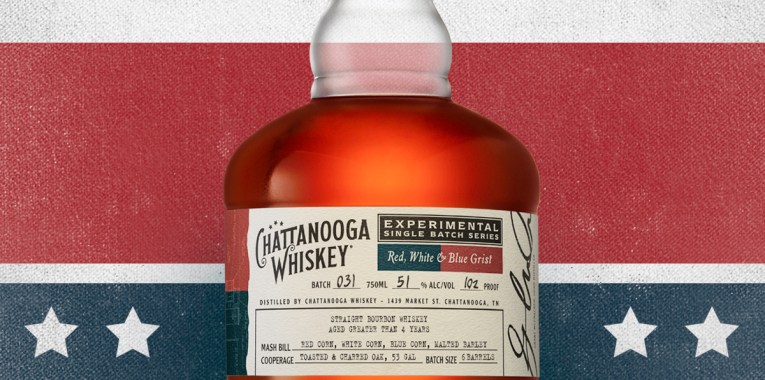
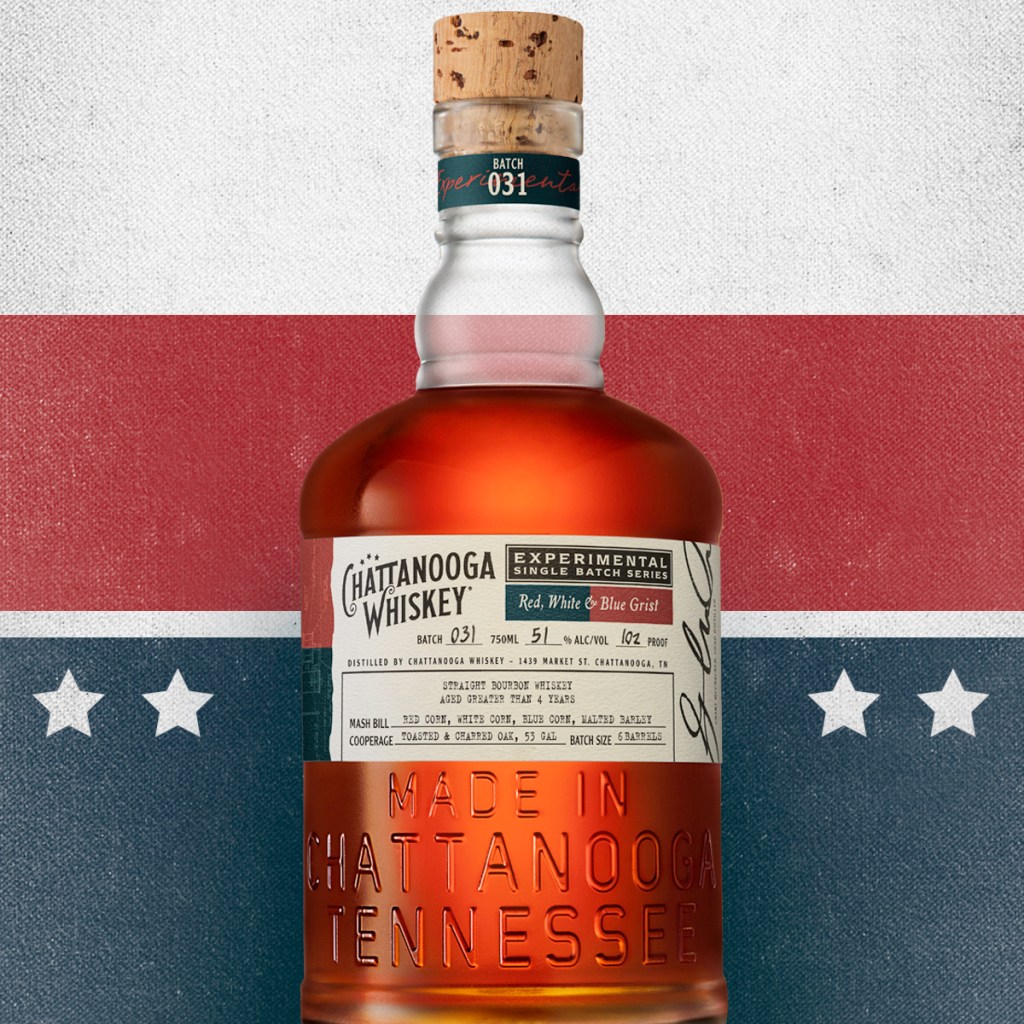
Chattanooga, TN (May 2023) – Chattanooga Whiskey announced today the release of their newest whiskey, Experimental Batch 031: Red, White & Blue Grist. Made with a blend of stone-ground red, white, and blue corn varieties, this commemorative batch celebrates the 10th anniversary of Tennessee’s “Whiskey Bill,” which, in May of 2013, legalized spirits production in Chattanooga, Tennessee, for the first time in over 100 years.
Following on the heels of last month’s Founder’s Anniversary Blend, Red, White & Blue Grist turns the company’s focus back to their prolific Experimental Single Batch Series, which – after being named Best Craft Producer of 2023 by Whisky Magazine’s Icons of Whisky – has continued to garner industry attention for its innovative array of whiskeys, spirits, and liqueurs.
This – their 31st batch since 2017 – is a high-malt bourbon made with three stone-ground corn varieties from Riverview Farms Milling (Ranger, GA), along with more than 25% pale malted barley. Aged for over 4 years in charred & toasted barrels, the finished whiskey showcases the delicate flavor impact of each corn varietal; offering notes of dried fig, sweet corn cake, berries & cream, and almond croissant. “Every one of our Experimental Single Batches is meant to have its own personality and story, and Batch 031 is no different. Red, White & Blue Grist highlights the unique flavor contributions from less common, stone-milled corn varieties, while also telling the origin story of how our Whiskey got started,” said Grant McCracken, Founding Distiller and CPO.
Over 11 years ago, Chattanooga Whiskey’s Vote Whiskey campaign galvanized the local Chattanooga community into action, leading to the drafting of the now famous “Whiskey Bill.” Since the bill was signed into law by Governor Bill Haslam on May 16th, 2013, dozens of distilleries have since opened across the state – creating renewed interest and growth from one of the world’s most storied whiskey-making regions. In honor of the anniversary of the bill’s signing, each commemorative bottle is adorned with a sticker that is inspired by the seal found on House Bill 102 – a copy of which is on display at the company’s Experimental Distillery.
About Chattanooga Whiskey
Starting in 2011, Chattanooga Whiskey challenged the laws and won the right to distill whiskey in Chattanooga for the first time in over 100 years. The Chattanooga Whiskey Experimental Distillery now hosts over 40,000 visitors per year and serves as a hub of innovation and creativity to push the boundaries of craft whiskey.
The Riverfront Distillery is the production home to Chattanooga Whiskey’s signature Tennessee High Malt expressions: Chattanooga Whiskey 91, Cask 111, 99 Rye, and the Bottled in Bond Vintage Series.
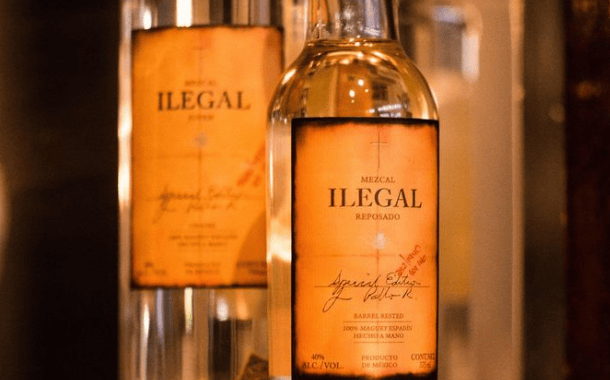
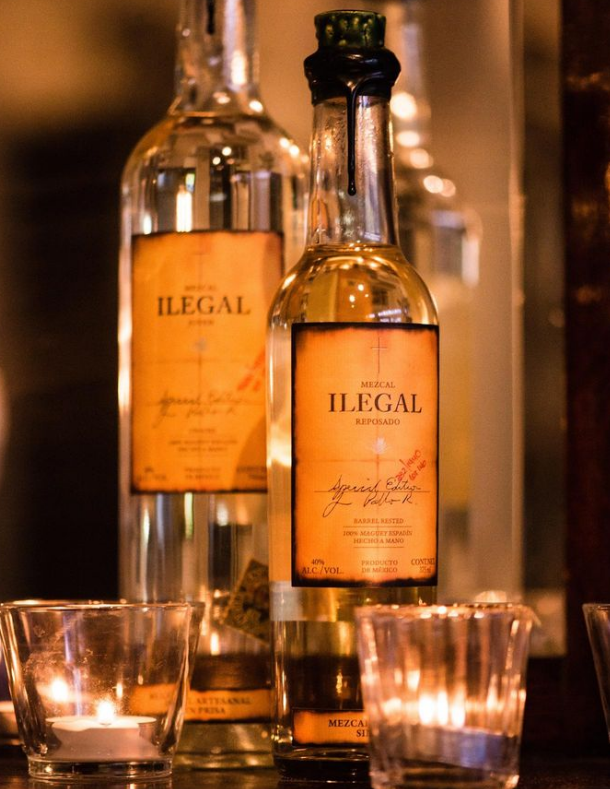
I recently had the pleasure of tasting Ilegal Mezcal Reposado and was blown away.
Have you ever taken the time to taste Mezcal? It’s not just a smokey tequila used in mixed drinks. As a matter of fact, tequila is a mezcal, not the other way around. Don’t feel bad; I didn’t know this either. Just as Scotch and bourbon are whiskey, tequila is a mezcal. The reason is that mezcal is any agave spirit; however, tequila is made from only blue agave.
I have to admit, I am not usually into smokey flavors. My husband always goes for the mezcal cocktail at a restaurant, and I steer clear. Ilegal Mezcal has changed my mind. Unfortunately, I may be disappointed when a restaurant doesn’t have this premium option. Some say Ilegal is the mezcal to serve people who say they don’t like mezcal. It’s that good and unique.
I think what makes it so different is the fact that Ilegal is aged in American Oak barrels for four months. The result is familiar “wood” notes that I am used to enjoying in bourbon. The smoke is there for sure, as expected and desired in a mezcal, but I was impressed with the many layers in this spirit. Honestly, I don’t know a lot about mezcal, and maybe that’s a good thing since it makes me an unbiased taster.
Here are all the notes I found:
The nose: citrus and agave forward, also peppery
The palate: sweet and smokey (even the smoke has a sweetness to it), caramel, orange
The finish: that sweet smoke lasts for a while, in a good way
I’d call this a premium, refined mezcal. I was seriously impressed. Sometimes smoke flavors taste fake or forced to me. This mezcal is subtle and layered.
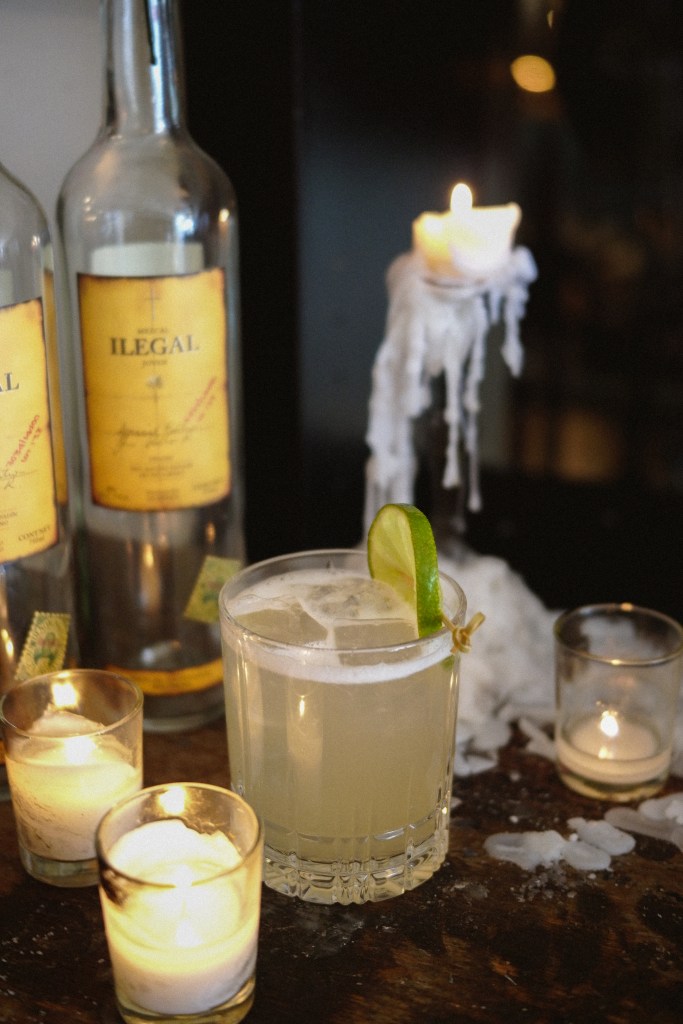
Check out these beautiful mezcal cocktail recipes from Ilegal. And click HERE for complete cocktail kits!
Ilegal Margarita
2 oz Ilegal Mezcal Joven
1 oz Lime Juice
1/2 oz Agave Nectar
Directions: Add to shaker with ice. Shake. Dump ingredients into a pre-salted rimmed rocks glass.
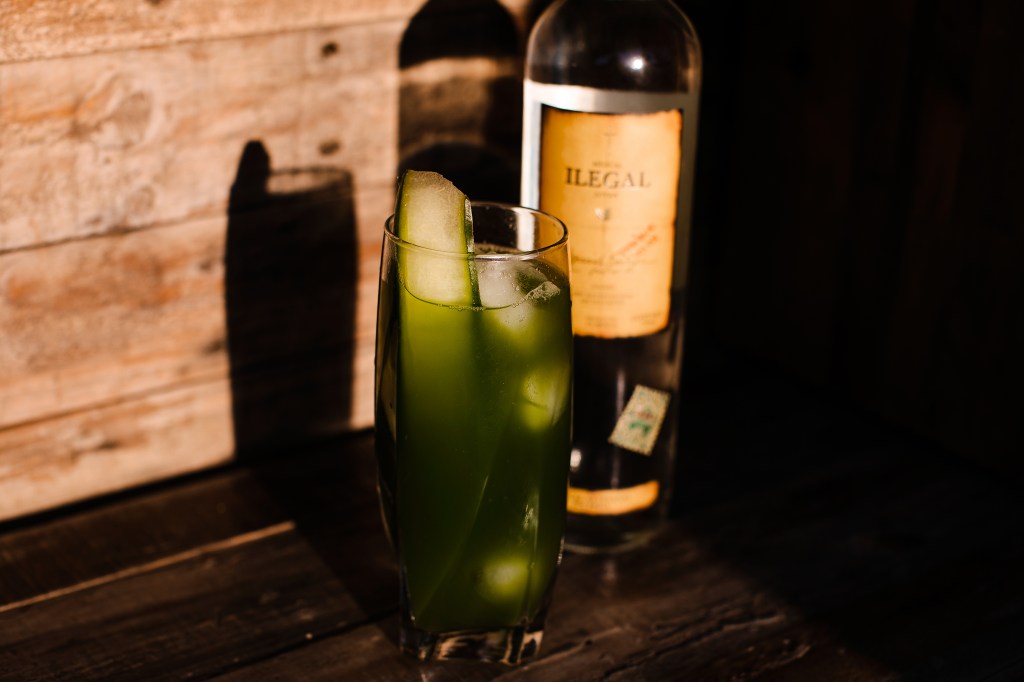
Agua Verde
1.5 oz Ilegal Mezcal Joven
1.5 oz Cucumber Juice
.75 oz Simple Syrup
.5 oz Ancho Reyes
.5 oz Fresh Lime
Build all ingredients in cocktail shaker. Shake vigorously with ice. Strain over fresh ice and garnish with a cucumber sliver.
A symphony of craftsmanship and taste in an organic vodka.
Purity Vodka has emerged as a premier spirit in the industry, standing out due to its exceptional taste, pure ingredients, and meticulous distillation process.
Since its inception, Purity Vodka has earned accolades from vodka connoisseurs worldwide for its unparalleled smoothness and distinctive character.
The Distillation Process
Purity Vodka is produced in Ellinge Castle, a 13th-century castle in southern Sweden. The distillation process is a key factor that sets Purity Vodka apart from its competitors.
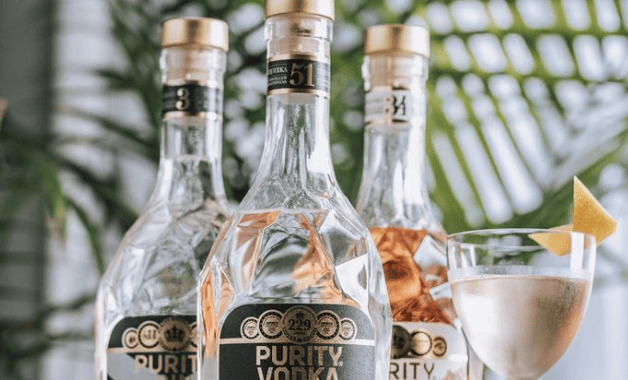
Unlike many commercial brands that distill their vodka only a few times, Purity Vodka undergoes distillation up to 51 times. This extensive process allows for the selective capture of the “heart” of the distillate, which is the purest and most flavor-rich portion. The end result is an ultra-premium vodka, free of impurities and full of character and complexity.
The Ingredients in Purity Vodka
Purity Vodka is made from natural ingredients, including organic winter wheat and barley, and untouched, mineral-rich water from the distillery’s deep well. This commitment to using high-quality, organic ingredients ensures that Purity Vodka maintains a clean, crisp flavor and a smooth finish. It’s a testament to the brand’s philosophy that quality cannot be compromised.
The Taste of Purity Vodka
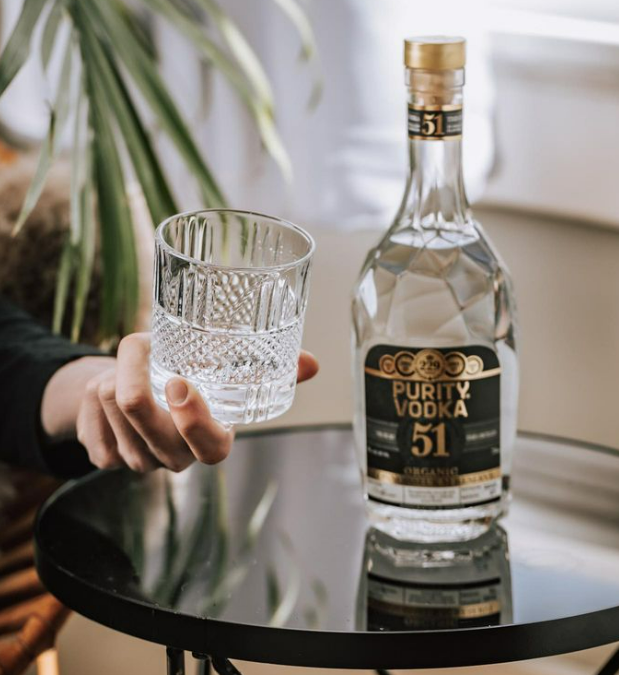
Purity is renowned for its full-bodied, complex flavor profile that sets it apart from the more traditional, neutral vodkas. It has a creamy, rich mouthfeel with subtle notes of vanilla and white chocolate, followed by a smooth finish. This distinctive taste makes Purity Vodka a perfect choice for sipping neat, on the rocks, or as a base in sophisticated cocktails.
Awards and Recognition
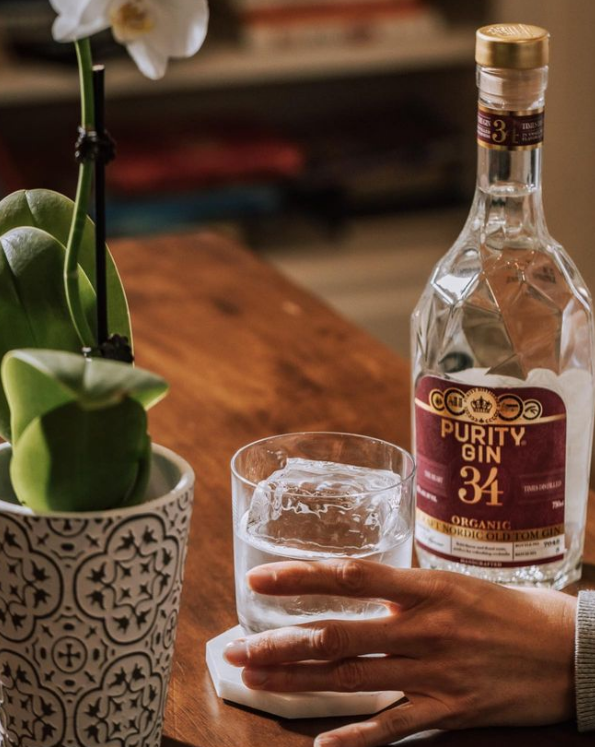
Purity Distillery’s commitment to excellence has not gone unnoticed. The brand has won numerous awards and accolades from prestigious international competitions. Among its laurels, Purity Vodka has been named ‘Vodka of the Year’ at the Spirits Business Vodka Masters on multiple occasions, a testament to its superior quality and taste. Purity Distillery also produces an outstanding gin.
In conclusion, with its unique blend of fine craftsmanship, superior ingredients, and an extensive distillation process, Purity Vodka offers a luxurious and distinctive spirit. Its full-bodied flavor profile and smooth finish elevate the vodka-drinking experience, appealing to casual drinkers and connoisseurs alike. From the 13th-century Ellinge Castle to your glass, every step in the creation is a testament to the pursuit of perfection, offering a truly unique taste in the world of spirits.
On a side note…if you love a good martini (who doesn’t?) Purity’s Master Blender, Mathias Tönnesson, has one simple trick to further elevate your martini’s flavor – a pinch of salt.
Take your martini-making skills to the next level with his Salted Martini recipe that is sure to impress:
2 1/2 ounces Purity Connoisseur 51 Reserve Vodka
Pinch of salt
3 olives
Add the Purity vodka and a pinch of salt in a mixing glass filled with ice and stir until well-chilled. Strain into a chilled cocktail glass. Garnish with a skewer of 3 olives for good luck.
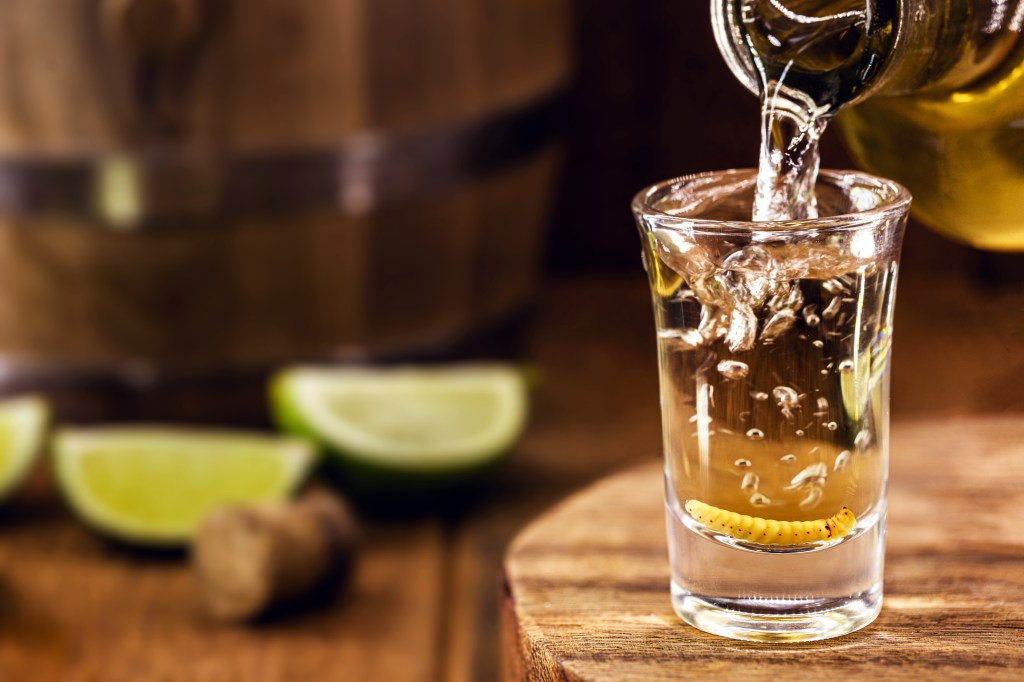
Mezcal is a time-honored spirit deeply rooted in Mexican culture and has gained immense popularity worldwide.
Image Credit: Shutterstock.com/RHJPhtotos
Known for its distinctive smoky flavor and rich cultural heritage, Mezcal stands apart from its cousin, Tequila, offering an authentic taste experience. But have you ever wondered about the fascinating journey that transforms the agave plant into this exquisite elixir? In this article, we’ll explore the meticulous production of Mezcal, which combines tradition, craftsmanship, and a deep respect for the land.
The Agave Plant
Image Credit: Shutterstock.com/Jesus Cervantes
The heart of the production of Mezcal lies in the agave plant, primarily the Espadín variety, although other agave types such as Tobalá, Tobaziche, and Madrecuishe are also used. These plants are cultivated in the arid regions of Mexico, where they require years to mature fully. The agave’s wild and rugged beauty is reflected in the spirit it produces.
Harvesting and Roasting
Once the agave plants reach their peak maturity, known as “jimadores” or agave farmers, hand-select and harvest them. The leaves are skillfully removed, leaving the heart of the plant, known as the “piña.” These piñas can weigh anywhere from 20 to 200 pounds, depending on the agave species.
Next, the piñas undergo roasting, a critical step in Mezcal production. Traditionally, they are roasted in underground pits called “palenques,” lined with volcanic rocks. The piñas are carefully arranged in layers, covered with earth and agave fibers, and left to roast for several days. This slow-cooking process infuses the Mezcal with its signature smoky flavor.
Milling and Fermentation
Once the piñas are suitably roasted, they are extracted from the pit and crushed to extract the sweet, fibrous juice. Traditional methods involve using a massive stone wheel, called a “tahona,” which is drawn by mules to crush the cooked agave. Nowadays, mechanical shredders or mills are also used for efficiency while retaining the essence of tradition.
The extracted juice, known as the “aguamiel,” is then transferred to fermentation vats. These vats are typically made from wood, concrete, or even animal skins, providing an ideal environment for the yeast to work its magic. Natural fermentation can take anywhere from a few days to several weeks, depending on the desired flavor profile.
The fermented aguamiel is distilled to convert it into Mezcal. Traditionally, this process involves the use of copper stills, which allow for the refinement and concentration of flavors. The liquid is distilled at least twice to ensure the highest quality, with the first distillation known as “ordinario” and the second as “refinado.”
Unlike Tequila, which must be made exclusively from blue agave, the production of Mezcal allows for a broader range of agave varieties, resulting in diverse flavor profiles. Additionally, some Mezcal producers embrace artisanal methods such as clay pot stills, which further enhance the spirit’s unique character.
Following distillation, Mezcal may be bottled immediately or undergo aging to develop more complex flavors. While there are young or “joven” Mezcals, aged variants can spend months to years in oak barrels, enriching the spirit with notes of vanilla, caramel, and spice.
What truly sets Mezcal apart is the deep connection to its cultural heritage and the communities involved in its production. Many Mezcal producers are small, family-owned operations that have passed down their knowledge.
77% of coffee drinkers need two or more cups of coffee during the workday to feel productive.
Image Credit: Shutterstock.com/Evgeny Karandaev
The average person spends nearly 50 hours a year purchasing beverages at the café during the workday.
A survey of 2,000 on-site employees found it takes about 16 minutes to leave one’s desk, buy a drink and return, but with three such trips a week, employees lose an entire work week per year.
However, having a favorite beverage in hand can help kick-start one’s day. To get their workday going, people usually get organized (60%), sip their favorite beverage (59%) and check their emails (55%).
While a hot cup of coffee (66%) is the most popular first drink of the day, participants also prefer cold drinks such as iced coffee (47%), water (45%) and flavored water (30%).
Conducted by OnePoll on behalf of multi-beverage system maker Flavia, the survey also found there may be a link between drink preference and productivity.
Seventy-seven percent of coffee drinkers need two or more cups of coffee to feel productive on a workday, with nearly a quarter (24%) noting Mondays were the day of the week they needed the most coffee.
Six in 10 (60%) turn to a hot cup of coffee to improve their mood at work, as well.
Sometimes, though, it takes getting creative with one’s beverage to freshen things up. Nearly two-thirds (64%) “always” or “often” vary the type of drink they consume as the hours go by.
Aside from hot coffee (77%), people also drink water (70%), iced coffee (64%), tea (62%), juice (55%) and flavored water (51%) while they work, among other beverages.
“Over a third (37%) of those surveyed would like the ability to brew hot and cold beverages and more than a quarter (26%) want to be able to brew different kinds of beverages at work,” said Camille Vareille, VP, Head of Marketing Americas, Lavazza Group.
Money spent on beverages also adds up quickly. While at the cafe, the average American buys about 2.5 drinks, totaling about $16 per visit. With more than three visits to the café per week, that amounts to over $2,800 a year.
“The survey revealed that nearly 87% of respondents were going into the office between two to three days a week. Over eight in 10 employees said having free beverages as a workplace perk would make them feel valued, and offering free beverages was the most requested perk to encourage employees to work from an office. Investing in an array of beverages on-site can not only save employees time and money but also help with bringing them back into the office,” Vareille added.
WHAT PERKS WOULD ENCOURAGE ON-SITE EMPLOYEES TO WORK FROM AN OFFICE?
Free beverages – 46%
Required breaks – 45%
Free food – 45%
On-site gym – 43%
Office lounge/social area – 42%
Ability to bring pets to work – 36%
Ability to bring kid to work – 29%
On-site games – 22%
In-person employee clubs – 14%
16.4 minutes per cafe visit x 3.42 visits to the cafe per week = 56.088 minutes a week, x 52 weeks in a year = 2,916.576 minutes or 48.61 hours a year
$6.27 spent per beverage at a cafe on an average visit x 2.56 beverages per visit = $16.0512 per visit x 3.42 trips a week = $54.895104 spent per week x 52 weeks = $2,854.55 a year
Survey methodology:
This random double-opt-in survey of 2,050 U.S. adults who work on-site or in an office was commissioned by Flavia between March 29 and April 4, 2023. It was conducted by market research company OnePoll, whose team members are members of the Market Research Society and have corporate membership to the American Association for Public Opinion Research (AAPOR) and the European Society for Opinion and Marketing Research (ESOMAR).
Highly Curated Experience to Feature Cowhorn Wines Paired with Culinary Creations from Cowhorn’s Chef Tim Payne
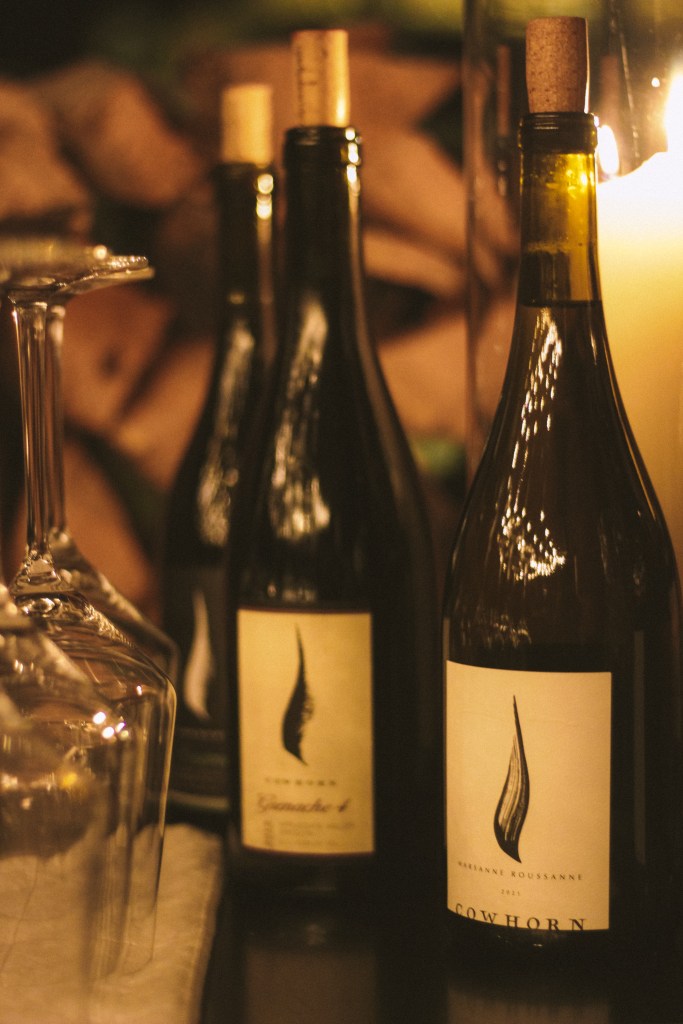
Cowhorn Vineyard and Garden, Applegate Valley’s Demeter-certified Biodynamic vineyard and farm, announces the launch of its Supper Club. The unique experience will showcase a refined selection of Cowhorn’s wines thoughtfully paired with elevated dishes featuring farm-fresh ingredients straight from their garden. At $150 per guest, reservations are available Friday and Saturday evenings for 6:30 pm seatings and must be confirmed at least 48 hours in advance.
Supper Club will welcome just over a dozen guests each weekend for a dinner celebrating a seasonally attuned food-and-wine experience and the vineyard’s profound sense of harmony with the ecosystem. This intimate dinner offering will be a highly curated culinary event designed in collaboration with Executive Chef Tim Payne. The enveloping five-course, preset menu will highlight Cowhorn wines while providing guests with a holistic way of looking at wine and cuisine. Additionally, guests have access to Cowhorn’s Private Cellar – a curated selection of wines from other producers that inspire and are made all too finite in volume.
“We are thrilled to offer the unique opportunity to engage with our wines on a new level,” says Founder Mini Byers. “From the views under The Barn to the exceptional pairings and flavor, guests can expect an unforgettable experience.”
Supper Club presents the space to taste the wine in the most authentic way – overlooking the vines and foliage producing the exquisite flavors. The meal will take place under The Barn where guests can take in the idyllic view of rows of grapes flanked by mountains abundantly adorned with vegetation that shifts beautifully with the seasons.
Through these dinners, Cowhorn and Chef Tim hope to represent a sense of time and place while honoring the land from which their bounty of food and wine originate. Guests can expect a rotating menu with dynamic, elevated dishes anchored by the produce grown on the property. With more than two decades of experience in hospitality, food and wine, Chef Tim leads the full cycle of the culinary process – from planting and harvesting more than 60 varieties of herbs and vegetables, to pickling, preserving and fermenting his own ingredients, to planning and preparing all of the estate’s dining offerings. Often cooking over a rustic wood fire and always employing a “slow food” approach, Tim curates menus that bolster each of Cowhorn’s experiences.
Sustainable Vineyards
Cowhorn Vineyard & Garden – Cowhorn Vineyard & Garden is a 117-acre, Demeter-certified Biodynamic and woman-owned vineyard and farm producing quality wines and growing grapes and other crops through uniquely sustainable and holistic methods. Founded in 2005 and purchased by Co-owner Mini Byers in April 2021, the progressive farm is nestled in the fertile Applegate Valley of southern Oregon, which boasts well-draining soil, lush vegetation, and stunning views.
Just a few miles north of California, the property is home to a vineyard, garden, and a beautifully-designed, LEED-certified tasting room, which was awarded a Living Building Certification. Originally planted and designed by the renowned biodynamic agriculture expert Alan York in 2005, the sustainability-forward vineyard demonstrates a conscious effort to harness the natural richness and diversity accompanying the land.
Winemaker Vince Vidrine’s passion for creating authentic expressions of the grapes aligns seamlessly with Cowhorn’s mission of growing Biodynamic wines through minimal intervention. This inspired approach to agriculture and emphasis on biodiversity yields a beautiful selection of wines, including red, white, rosé, and orange wine blends that are full of dimension and flavor.
Cowhorn’s Rhone Style wines are made with 100% estate fruit from 25 planted acres, receiving more than 100 90+ scores over the years. Beyond the wine, Cowhorn offers a culinary program that’s integral to the vineyard, and immersive experiences for wine enthusiasts. The tasting room is open by appointment Wednesday through Sunday from 11 am until 5 pm.
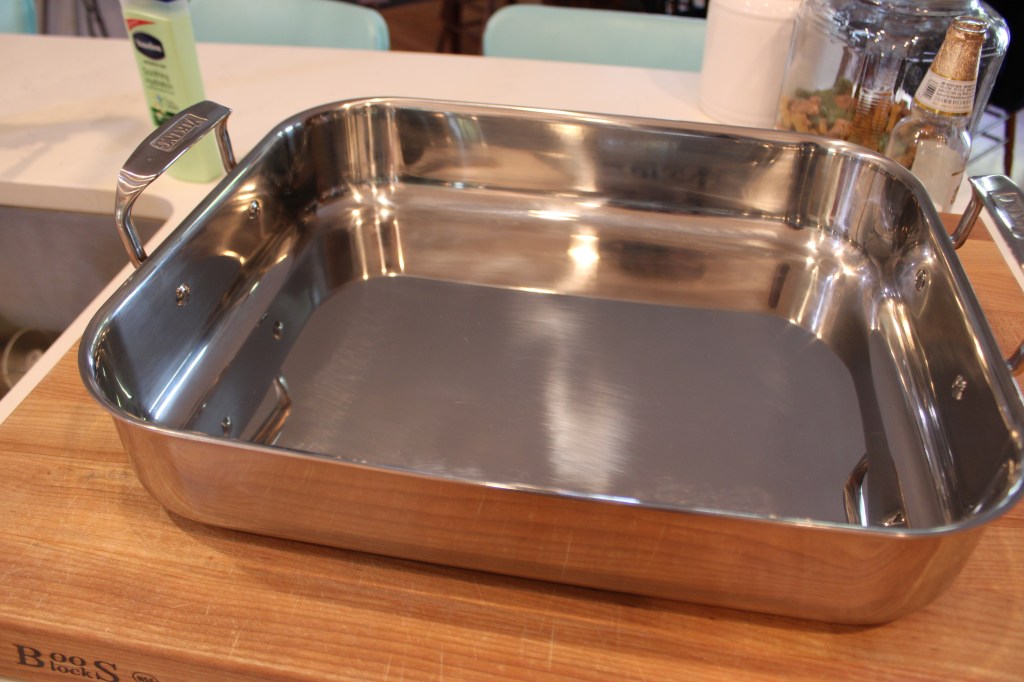
Not everyone will understand this, but today I got a thrill from using a stainless steel roasting pan.
In our hurry to eat Mr. Turkey, we forgot to take a pic…so we put the poor guy back in the pan after it was clean. I was a bit too anxious to shine the brand-new roasting pan.
The best part of being a food writer is trying out new products. I was thrilled to receive this beauty from Viking Culinary so that I could experience firsthand the magic of this incredible cookware.
I am often looking for excuses as to why we should make a turkey dinner in the months after Thanksgiving. It’s one of the best meals all year, so why do it only once a year? The shiny new roasting pan sealed the deal.
Viking quality means better cooking
Viking is a renowned brand in the cookware industry, known for its high-quality products that cater to the needs of professional chefs and home cooks alike. The brand has been in existence for over three decades and has consistently maintained a reputation for excellence in design, construction, and performance.
They offer a range of products, including pots, pans, and other cooking tools. The quality of Viking cookware is unmatched and is one of the main reasons why the brand is so popular among chefs and enthusiasts. For myself, I enjoy cooking when I have the right tools and equipment. I have always been a stainless steel kind of gal, so my pots and pans have to be made with high-quality stainless steel. If they aren’t, I’m left with cookware that doesn’t cook evenly and is tough to clean. I have had some decent cookware, but now that I’ve tried Viking, it’s all I’ll buy when I need something.
Excellent Design and Performance
Not only are the proper and highest quality materials needed for excellent cookware, but the design is also essential. Viking’s design is unmatched in the industry. The brand offers a range of cookware that is both functional and aesthetically pleasing. Viking cookware is designed to be both stylish and practical, ensuring that it looks great in any kitchen while also performing exceptionally well. I appreciate things like strong steel handles on a roasting pan when I am lifting a heavy turkey out of the oven.
It’s also known for its performance. The brand uses innovative technologies such as tri-ply construction, which combines layers of stainless steel and aluminum to create cookware that heats quickly and evenly. The tri-ply construction also ensures that food is cooked to perfection without burning or sticking to the pan. As mentioned, for those of us who prefer stainless steel over nonstick, this is extremely important.
Easy to use and Maintain
In addition to its construction, design, and performance, Viking cookware is known for its ease of use and maintenance. The cookware is dishwasher safe, which we can all appreciate on those nights when we have lost motivation to wash dishes at the sink. I love how they have thought of everything, including comfortable handles and drip-free pouring spouts.
If there is an area in my life where I am willing to spend money, it’s in the kitchen. My husband and I enjoy cooking, and when the cookware works with us rather than against us, it’s a more pleasurable experience. We look at our cookware and other kitchen tools as an investment. The more we enjoy cooking at home, the less we waste money eating out.
The quality of Viking cookware is exceptional. The brand’s commitment to using high-quality materials, innovative technologies, and excellent design ensures that its cookware is not only functional but also beautiful.
Tito’s Handmade Vodka and BISSELL Pet Foundation Debut “Walktail” Capsule Collection Specially Curated to Embrace the Everyday Dog Walk With a Twist
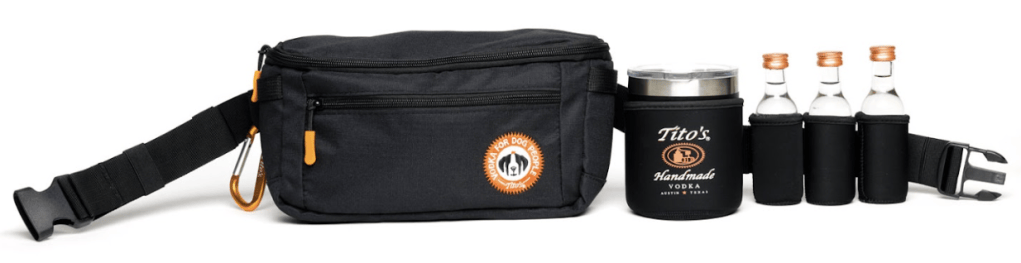
At the Core of the Collection Is the Custom-Engineered ‘Tito’s Walk-Pack’ – A Belt Bag Equipped With a Drink Holder and Three Pockets for Mini Tito’s Bottles
Tito’s Vodka For Dog People, a program created by Tito’s Handmade Vodka dedicated to rescuing and protecting pets, announced it’s teaming up with BISSELL Pet Foundation to launch an exclusive capsule collection that embraces the “walktail” – a cocktail you take on a walk with your family, friends, and of course – your dogs. As a part of the collaboration, 100% of the net proceeds from every purchase will be donated to BISSELL Pet Foundation in an effort to support its goal to find a loving home for every pet.
The Walktail Capsule Collection is inspired by the trend of all things walking and features accessories for all your walktail needs designed by the expert dog-walking and cocktail-drinking team at Tito’s. At the cornerstone of the collection is the Tito’s Walk-Pack($45), a belt bag equipped with a holder for the go-to walktail vessel, the Tito’s Walk & Sip YETI Rambler® Lowball($30), along with three pockets for mini 50mL Tito’s bottles (sold separately) to make sure friends who join you can also enjoy a cocktail, two zipper pockets, and a carabiner for a variety of dog-walking needs.
Grabbing a walktail adds a little movement, fresh air – and dogs – to your typical happy hour with friends. Or, it can be a fun spin on “hot girl walks” that are currently dominating across social media and in real life to bring together new friends – two and four-legged.
The Walktail Capsule Collection can be purchased online at store.titosvodka.com/collections/walktail or at the Love, Tito’s retail store in Austin, TX. Other merchandise items in the collection include:
Tito’s Sniff In Style Bandana ($5): Turn the block into a catwalk…wait, dog-walk? Either way, tie on the Tito’s Sniff In Style Bandana and your pup can sniff in style.
Tito’s Unzip N’ Sip Dog Bowl($20): Pack up a Tito’s Unzip n’ Sip Dog Bowl to be prepared for every adventure! Pawfect for patios, trails, dog-park days, and extra sidewalk sniffs, ’cause ya never know where your walk might take you.
Tito’s Dog Person Hat ($20): Tell us you’re a dog person who likes vodka without telling us you’re a dog person who lik— well, you get it.
BISSELL Pet Foundation Cap($20): Hats off to helping homeless pets! Jump in head first and support BISSELL Pet Foundation.
BISSELL Pet Foundation Dog Leash ($12): Every Tito’s fan loves a good cocktail just like every dog loves a good walk. And BISSELL Pet Foundation is on a mission to make sure those pups get plenty of ’em.
To complement the launch, Tito’s is releasing a series of walktail-themed cocktail recipes, curated specifically to take and make on the go. These recipes include:
“As longtime admirers of all the work BISSELL Pet Foundation does in the animal rescue space, we could not be more excited to team up with them on this collaboration,” said Beth Bellanti-Pander, Vodka for Dog People Program Director at Tito’s Handmade Vodka. “We love dogs and a good walktail with our friends and hope this inspires people to get together and enjoy a Tito’s cocktail on their next walktail stroll around the neighborhood. It’s a great way to hang out with friends and get outside if you’re feeling a bit cooped up – plus, the pups love it, too.”
BISSELL Pet Foundation is a nonprofit organization with a mission to help reduce the number of animals in shelters through pet adoption, spay/neuter programs, vaccinations, microchipping, and crisis and disaster response.Prior to the Walktail Capsule Collection, Vodka for Dog People and BISSELL Pet Foundation have worked together on their shared mission of helping dogs for a while now, teaming up on ten transport flights to help get dogs from dangerous situations and overcrowded shelters to safety and adoption.
“Tito’s has been incredibly supportive in furthering our mission of finding every pet a home,” said Cathy Bissell, Founder of BISSELL Pet Foundation. “We are excited to be part of this fun collaboration and encourage friends and their pups to get together for a happy hour stroll with a Tito’s walktail.”
Tito’s Handmade Vodka was founded by sixth-generation Texan, Bert “Tito” Beveridge. In the mid-nineties, on a plot of land in rural Austin, he built a 998 square foot shack, rigged a pot still with spare parts, and created Tito’s Handmade Vodka. Tito’s corn-based vodka is certified gluten-free. Tito’s Handmade Vodka is distilled and bottled by Fifth Generation, Inc. in Austin, Texas, and is available in Liter, 1.75L, 750ml, 375ml, 200ml, and 50ml sizes. For more information, visit www.titosvodka.com.
About Vodka for Dog People
An important part of the story at Tito’s Handmade Vodka is the innate connection the company has with its canine counterparts. Since the beginning, Tito’s has been committed to rescuing and protecting animals and, through its Vodka for Dog People program has helped better the lives of pets and their families far and wide. Tito’s has teamed up with a number of organizations across the country to transport pets from dangerous situations to safety, giving them a chance to find families of their own. To learn more, visit www.vodkafordogpeople.com.
Ahh…summertime for moms…the kids are off school which means no more packing lunches, no more homework, and no more rousing cranky kids in the morning. Even better, the sun is shining, the beaches and pools are opening, and you might even schedule a little downtime for yourself.
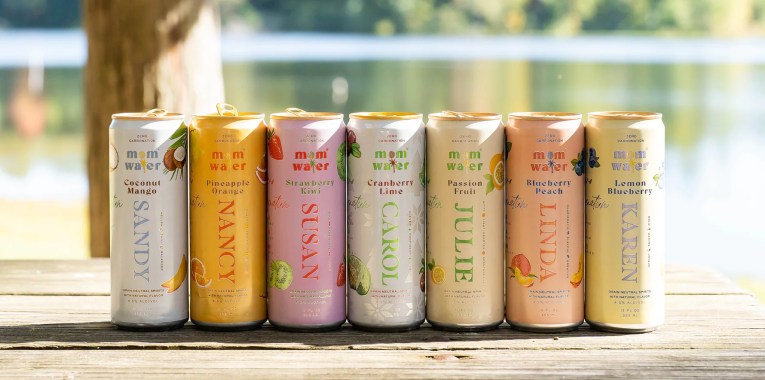
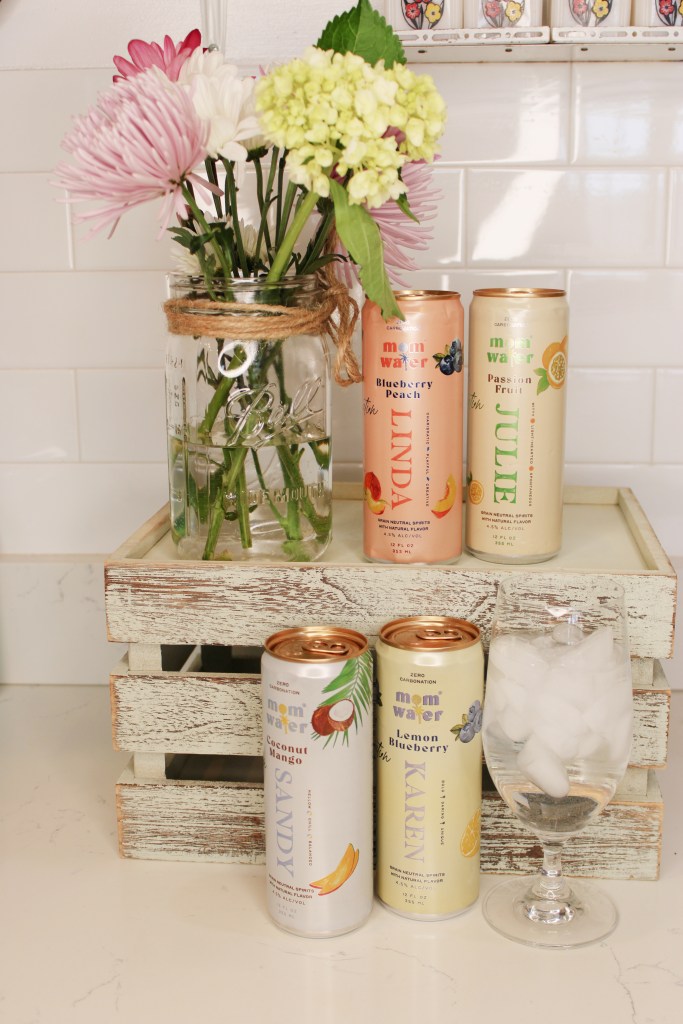
I recently tried a convenient drink that you’ve got to keep on hand when it’s time to pack the cooler and enjoy a summer day. Mom Water is a brilliant new canned cocktail crafted by real moms who wanted something light, refreshing, and healthier than other seltzers on the market.
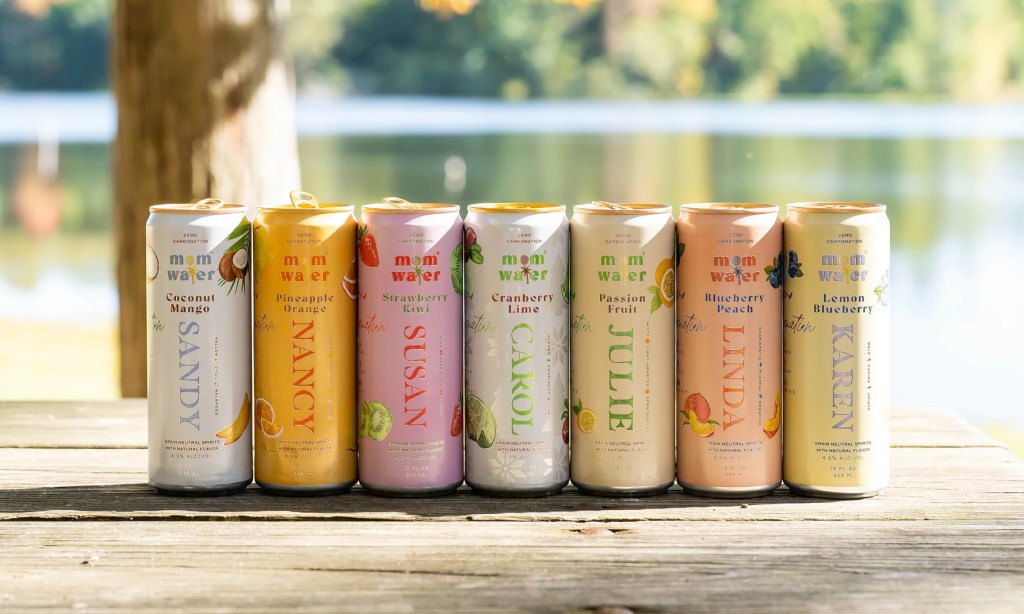
The many flavors of Mom Water are known as the “Mom Squad” and are given a “mom” name. They include Sandy Coconut Mango, Nancy Pineapple Orange, Susan Strawberry Kiwi, Carol Cranberry Lime, Julie Passion Fruit, Linda Blueberry Peach, and Karen Lemon Blueberry. Thirsty? I cannot wait to invite all seven beauties to the beach.
Each contains four ingredients: water, vodka, natural fruit flavors, and citric acid. Mom Water only lacks carbs, carbonation, gluten, and sugar. The last thing we need while wearing summer clothes and swimsuits is a drink that bloats us from carbonation and sugar.
I truly found each one refreshing and plan on keeping the fridge well stocked with Mom Water all summer. Cookouts, Mother’s Day, and just hanging outside are perfect reasons to enjoy Mom Water. Oh, and by the way, the cans are simply, pretty. I love looking at them. Say goodbye to White Claw and Hello to Mom Water this summer.
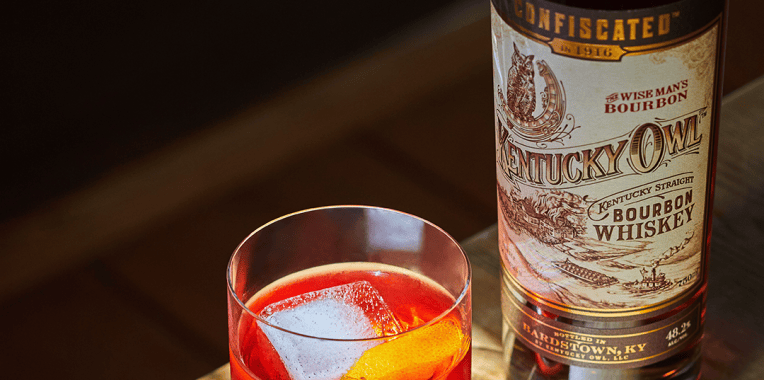
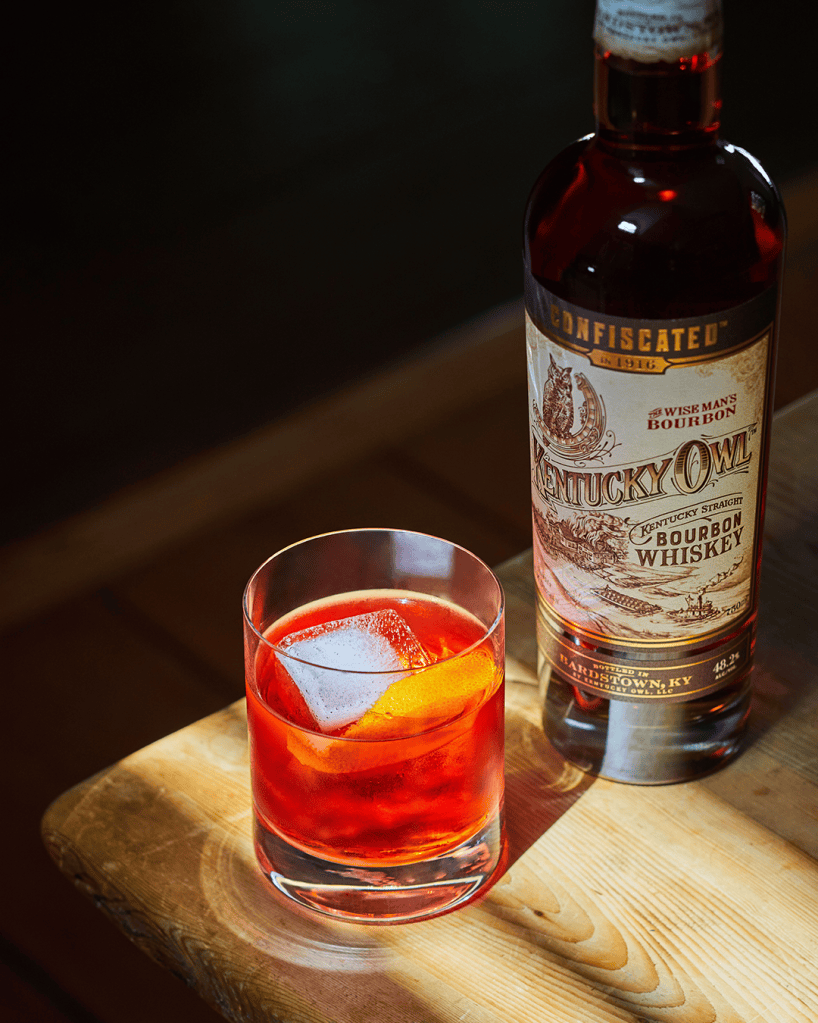
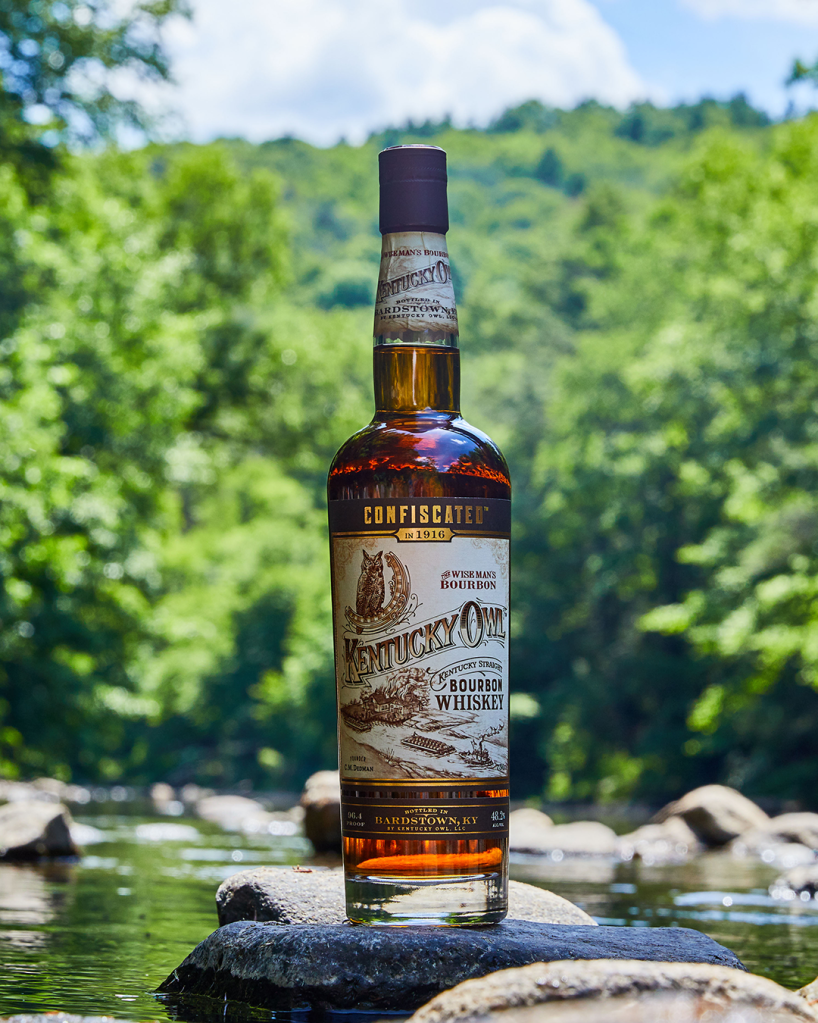
Once destroyed by prohibition, Kentucky Owl Confiscated pays homage to the bottles that were seized years ago.
Kentucky Owl Confiscated is a highly sought-after bourbon, released by Dixon Dedman, the great-great-grandson of the founder of the Kentucky Owl brand. The Confiscated is beautifully blended, aged at least four years, and bottled at 96.4 proof. However, long before “Confiscated” the Kentucky Owl brand suffered at the hands of the government.
Just before Prohibition, Federal agents confiscated all of the Dedman family’s whiskey inventory. Every drop was taken away. Shortly after that, their warehouse burned to the ground. Some say the whiskey was taken and sold in Chicago during Prohibition, which followed shortly after the whiskey was confiscated. We’ll never know for sure. The good news is that bourbon drinkers now get to enjoy an excellent bourbon with a clever name. Kentucky Owl Confiscated, of course, is a hat tip to the bottles that are forever gone.
In 2014, Dixon Dedman resurrected the Kentucky Owl label, bringing back the highly sought-after bourbon that had been destroyed 100 years earlier.
In an interview with Forbes, Dixon Dedman stated that the new batch of Kentucky Owl Confiscated is his “best effort yet,” and he believes it will be “one of the most exciting whiskies of the year.” The new batch is also being released in limited quantities, with just 3,000 bottles available.
The resurrection of the Kentucky Owl label is a testament to the dedication and passion of Dixon Dedman and his commitment to the legacy of his family’s brand. The fact that he was able to bring back the highly sought-after bourbon after it was destroyed is a testament to his determination and perseverance.
In conclusion, the resurrection of the Kentucky Owl is an exciting development for fans of the brand and the whiskey community as a whole. The new batch of Confiscated is a tribute to the original, and Dixon Dedman’s commitment to the legacy of the Kentucky Owl brand is an inspiration to whiskey lovers everywhere.